Clarity
Define the objective, scope, responsibilities, technical requirements, schedule, commercial expectations, and measures of success.
Grain Processing Project Leadership
Commercial grain-processing projects involve multiple companies from equipment manufacturers to installers to freight providers. V5 Strategies provides the project leadership that keeps those parts connected.
We define responsibilities and keep communication moving. We coordinate schedules, logistics, commercial requirements, and technical information. We document key decisions, track progress, and help resolve obstacles before they stall the project.

A commercial grain-processing project may combine equipment from several manufacturers with input from multiple technical specialists. International freight adds another layer. So do local contractors, millwrights, electricians, controls providers, and installers. Meanwhile, the customer still has a business to operate.
Each company may understand its own scope. But problems often appear in the handoffs between them. Responsibilities overlap, information fails to reach the right person, and equipment interfaces remain unclear. Drawings may fall out of date, delivery dates often change, and critical work gets missed because everyone assumed another company owned it.
Those breakdowns can lead to delays, change orders, installation conflicts, added costs, and rework. V5 Strategies provides the project leadership that connects the scopes, keeps the work visible, and moves the complete project forward.
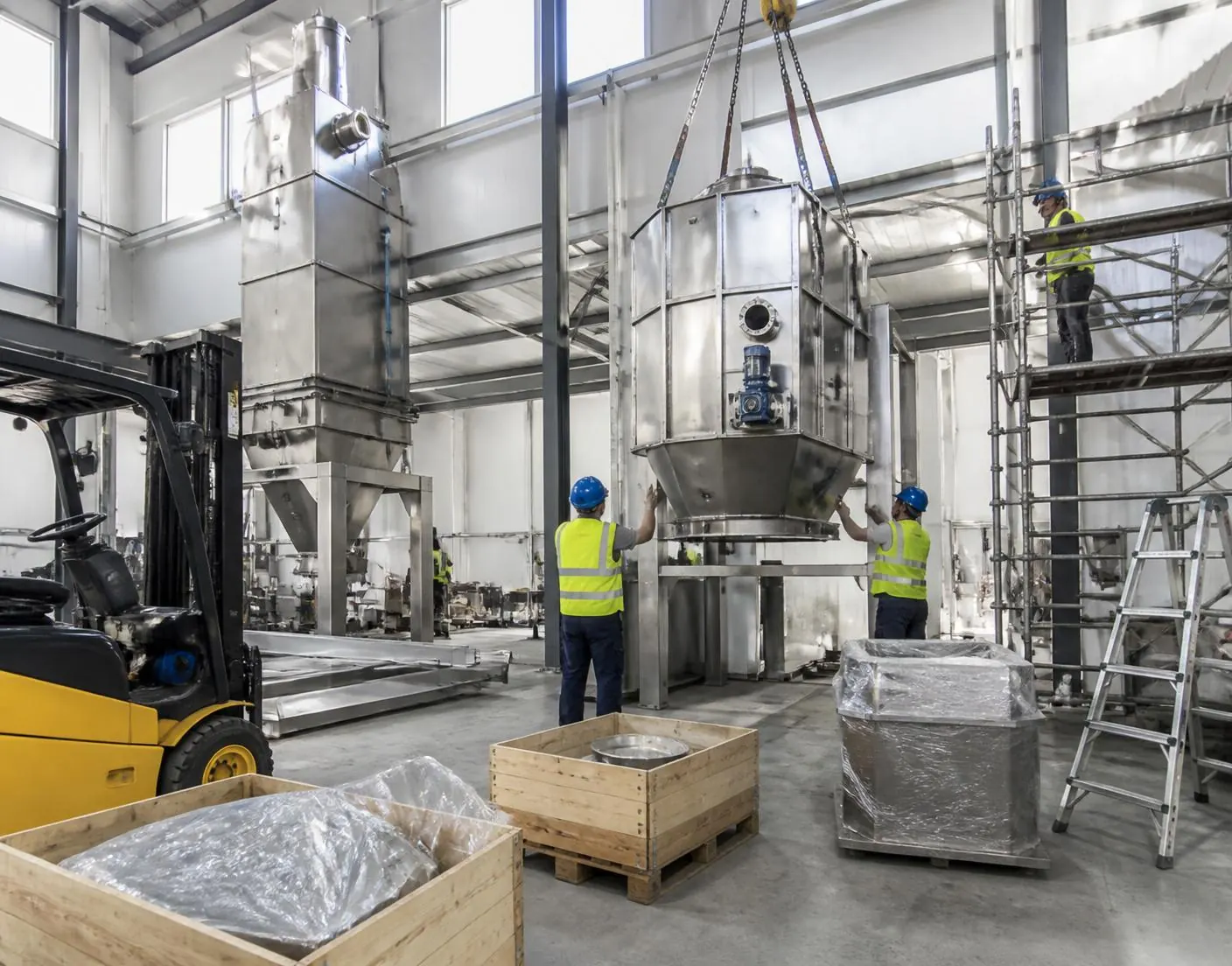
Schedules, budgets, action lists, meeting notes, and project reports are essential, but documents alone do not move a project forward. Complex equipment projects also require someone to ask difficult questions, clarify responsibilities, follow up on commitments, identify problems early, and keep the customer and project partners aligned.
V5 combines structured project management with active project leadership. We do not simply record what has already happened. We work to understand what must happen next, who is responsible, what information is missing, and what could prevent the project from reaching successful operation.
Our role changes according to the customer, facility, equipment package, and companies involved. The objective remains consistent: protect the project’s momentum and help the individual scopes function as one coordinated effort.
Define the objective, scope, responsibilities, technical requirements, schedule, commercial expectations, and measures of success.
Track decisions, commitments, documentation, deadlines, open issues, and the parties responsible for moving each item forward.
Maintain communication, resolve obstacles, anticipate upcoming requirements, and keep the project progressing toward installation and operation.
V5 uses a four-stage project-leadership process to create visibility, coordinate the companies involved, and connect early project decisions to installation, startup, and long-term operational support.
Every project starts with a clear operating objective. V5 defines the crop or material, production requirements, equipment scope, and facility conditions. We then align responsibilities, schedule, budget, communication, and measures of success.
Proposals, drawings, site conditions, and project assumptions are reviewed early. That keeps unanswered questions from becoming expensive problems later.
Once the scope is clear, V5 connects the people and information required to execute it. We keep the customer, manufacturers, and engineers aligned. Contractors, millwrights, and electricians remain part of the same plan. So do controls specialists, logistics providers, and installers.
We coordinate drawings, approvals, equipment interfaces, and manufacturing schedules. Billing milestones, freight, site preparation, and installation requirements are tracked across companies.
During manufacturing, shipping, and installation, V5 keeps the complete project visible. We track equipment status, open decisions, site readiness, and installation progress. Changes and obstacles are addressed before they jeopardize startup.
When a problem arises, we clarify ownership and bring the right people together. We organize the necessary information and help move the issue toward resolution.
Installation is not the end of the project. The move into operation may still require commissioning, startup support, punch-list work, and project closeout. Training, documentation, warranty information, and spare-parts planning also need clear ownership.
V5 helps coordinate that handoff and transfer technical knowledge to the operating team. The customer receives more than installed machinery. They receive a clearer path into operation and a stronger foundation for supporting the equipment after startup.
Align the work. Coordinate the companies. Deliver the project. Support the operation.
The exact V5 scope is defined around the project, customer, equipment, and companies involved. Support may begin during equipment evaluation and continue through manufacturing, delivery, installation, commissioning, and closeout.
V5 helps define what each company is responsible for providing, approving, coordinating, installing, documenting, or completing. Clear responsibility tracking reduces assumptions and makes project gaps visible before they become expensive problems.
V5 provides a consistent communication path among the customer, equipment manufacturers, contractors, and technical partners. Questions, decisions, changes, approvals, and commitments are documented and directed to the responsible parties.
Equipment projects generate proposals, specifications, drawings, manuals, schedules, shipping documents, installation information, parts records, and other critical material. V5 helps organize that information and coordinate its movement among the companies responsible for technical decisions.
V5 helps track equipment approvals, manufacturing requirements, production schedules, customer-supplied information, commercial milestones, invoicing activity, required documentation, and the decisions needed to keep equipment orders progressing.
Equipment delivery may involve multiple origins, international shipping, customs considerations, delivery sequencing, receiving requirements, storage, lifting, and coordination with the installation schedule. V5 helps connect logistics planning to the realities of the project site.
V5 communicates installation requirements among the customer, manufacturers, engineers, contractors, millwrights, electricians, controls providers, and installers. This may include access, utilities, foundations, structural requirements, equipment placement, delivery timing, and installation sequencing.
V5 helps coordinate the manufacturers, contractors, installers, controls specialists, and customer personnel required for commissioning and startup. Open issues, incomplete work, training needs, documentation, and punch-list items are tracked as the facility transitions into operation.
A project should conclude with organized documentation, identified open items, warranty information, equipment records, parts information, operating knowledge, and clear ownership of remaining responsibilities. V5 helps create a more complete transition from project activity to operational support.
Earlier involvement creates more opportunity to clarify equipment requirements, responsibilities, schedules, and project interfaces. V5 can also enter an active project when stronger communication, documentation, or coordination is needed.
V5 can help define the operational objective, organize equipment requirements, coordinate manufacturer communication, and connect early purchase decisions to the complete project.
V5 can establish a project structure around an existing order by clarifying responsibilities, tracking approvals, coordinating manufacturing information, planning logistics, and preparing for installation.
When communication has become fragmented or the project is losing momentum, V5 can help organize open issues, clarify responsibilities, document decisions, rebuild visibility, and establish the actions required to move forward.
V5 can help coordinate commissioning activity, track punch-list items, organize documentation, support knowledge handoff, and create a clearer transition into operation.
Project Spotlight
Project overview: A grain storage operation in Nebraska set out to expand beyond storage by developing its first 4,000-bushel-per-hour corn cleaning facility. The project involved integrating equipment from multiple manufacturers while coordinating procurement, customer communication, logistics, and ongoing project execution.
Read more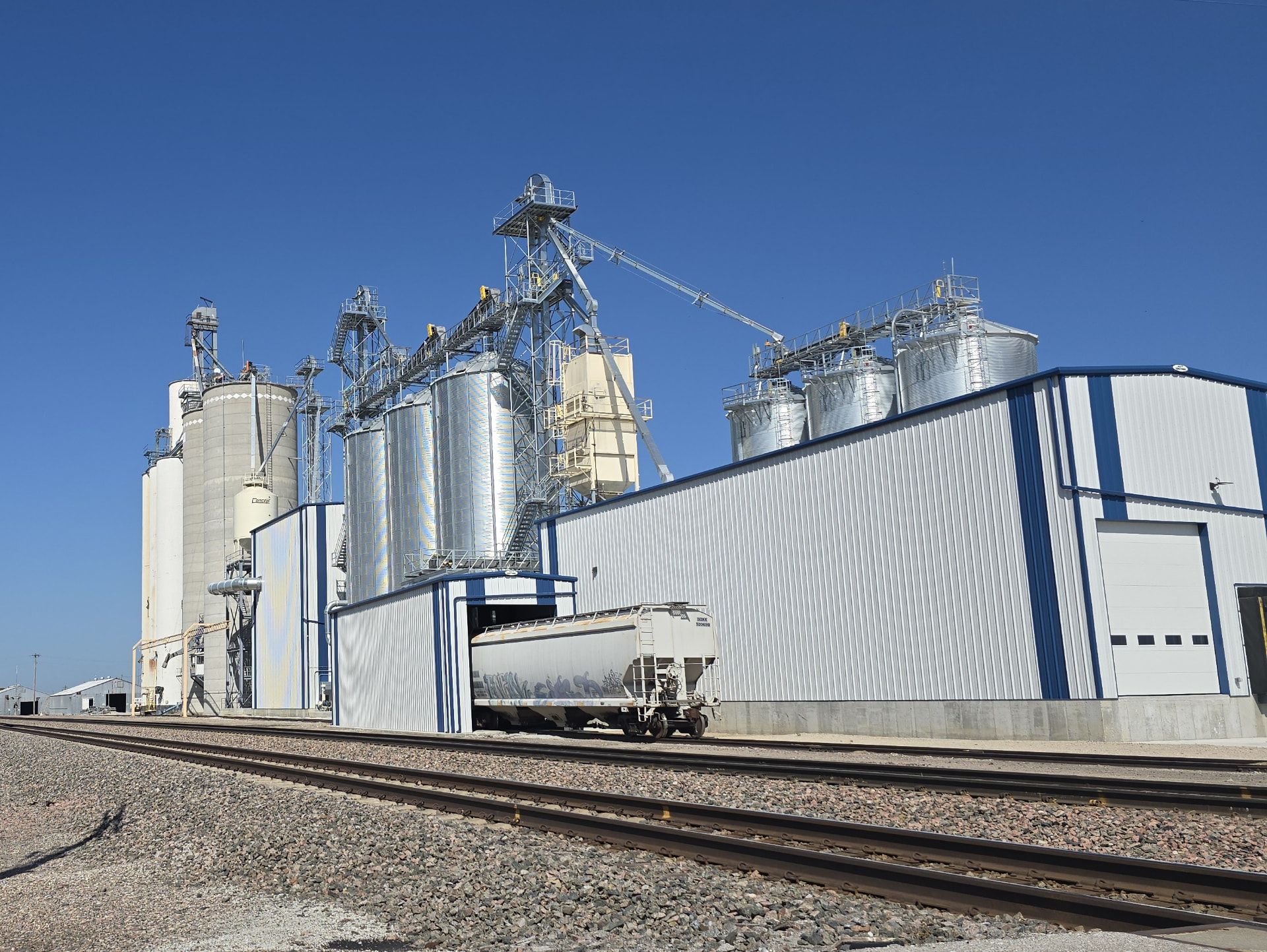
No. Engineers remain responsible for engineered design, contractors and millwrights for construction and installation, and manufacturers for their equipment and its performance. V5 provides the leadership across those companies so their scopes function as one project.
Yes. V5 project leadership is not limited to equipment sourced through V5. The scope can be built around a single manufacturer’s order or a multi-manufacturer project with several suppliers and contractors.
The structure is set for each project and may include scheduled project meetings, status reports, action lists, decision logs, responsibility tracking, document registers, issue tracking, and direct follow-up with whoever owns an open item.
Yes. V5 coordinates the schedules, documentation, open issues, and responsibilities among the customer, manufacturers, contractors, installers, and controls specialists. V5 does not replace the technical specialists responsible for starting or approving the equipment.
Around the specific project: the equipment, facility, customer, and companies involved. Scope and responsibilities are defined in writing before work begins, and the engagement can start at equipment evaluation or at any later stage.
Let’s move the project forward
Are you planning a new processing line, modernizing an existing facility, or trying to recover momentum on an active project?
Tell us what you are building, who is involved, where the project currently stands, and what is preventing the work from moving forward.
Evaluate and source equipment from domestic and international manufacturers.
Explore Grain Processing EquipmentConnect responsibilities, information, schedules, logistics, installation, and startup.
Discuss Your ProjectPreserve the equipment information and operating knowledge behind the facility.
Explore V5 Pulse Mill Intelligence