Wheat and Flour Milling

Wheat and Flour Milling Equipment, Project Leadership, and Mill Intelligence

V5 Strategies supports commercial flour mills, wheat-cleaning operations, grain-handling facilities, equipment manufacturers, millwrights, contractors, and design-build firms involved in wheat processing and flour production.

From wheat receiving, storage, cleaning, separation, scouring, conditioning, and tempering through roller milling, sifting, purification, flour handling, blending, storage, bulk loadout, and packaging, every stage must support the complete milling objective.

V5 connects equipment sourcing, multi-company project leadership, logistics, installation coordination, commissioning support, documentation, and V5 Pulse Mill Intelligence within one coordinated strategy.
A flour mill depends on balance between every stage, machine, material stream, and responsible company.

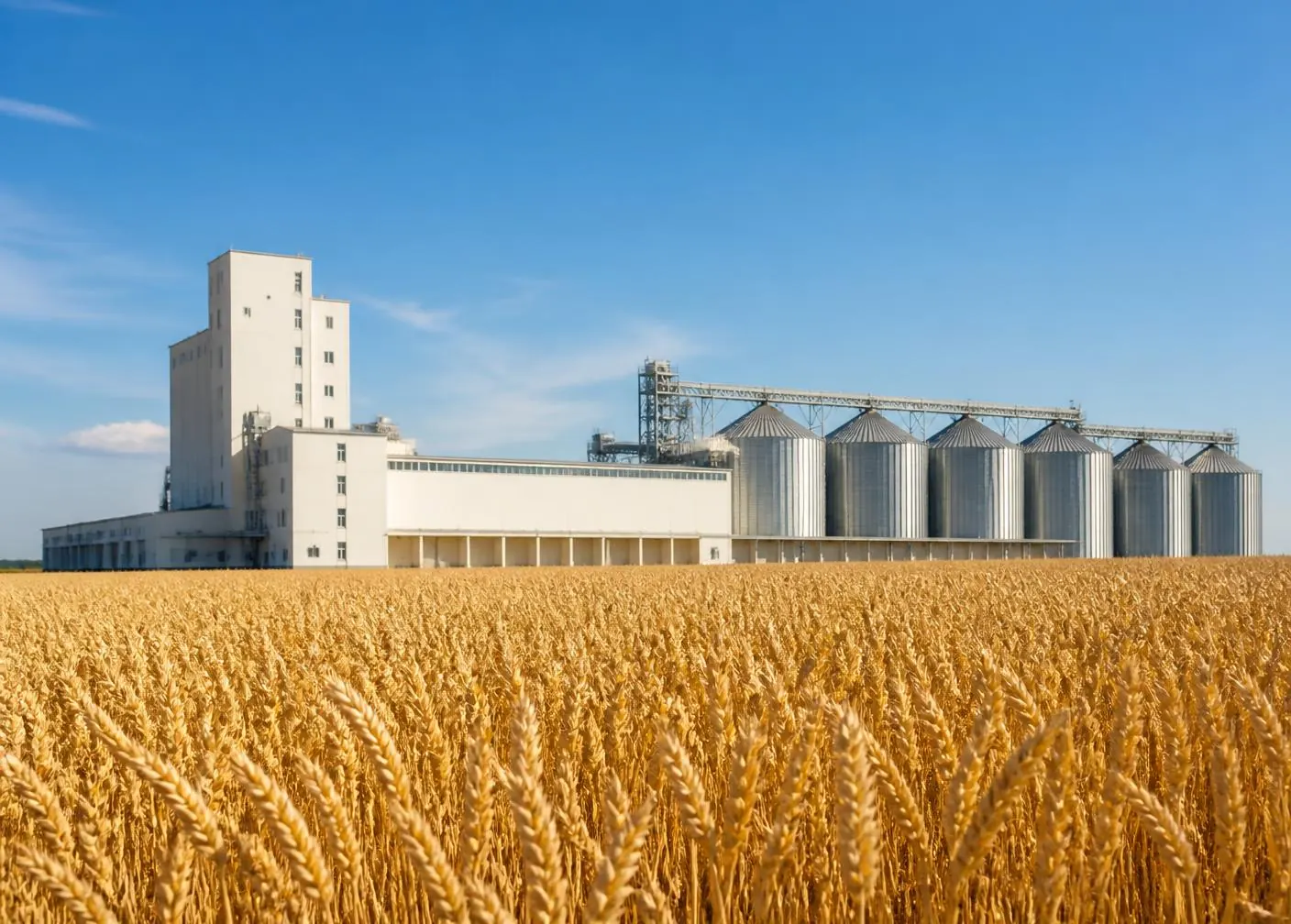
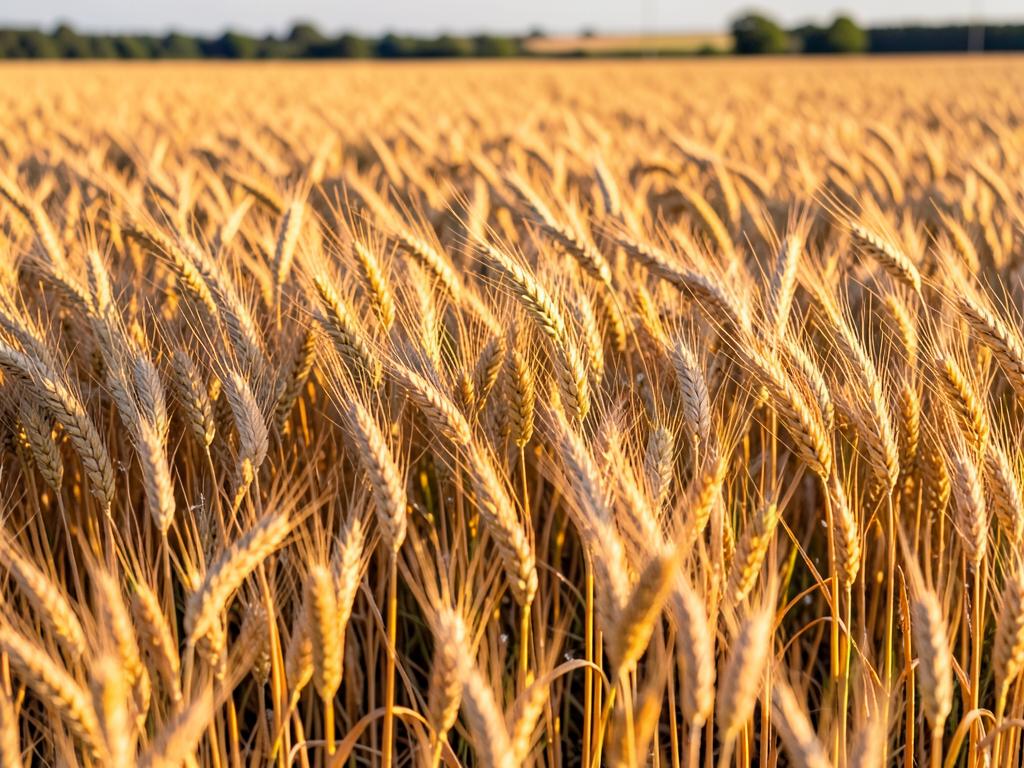
Golden wheat field under a blue sky in front of a commercial flour mill and grain storage silos

A Flour Mill Is a Connected System, Not a Collection of Machines

Commercial flour milling depends on the controlled movement and transformation of wheat through a series of connected stages. Receiving and storage preserve the identity and condition of the incoming grain. Cleaning removes foreign material and prepares the wheat for conditioning. Tempering supports the separation of bran from endosperm during milling.

The milling system then uses repeated grinding, sifting, purification, classification, and product collection to produce flour streams with the characteristics required by the mill and its customers.

A capacity mismatch, product-flow problem, missing equipment interface, delayed customer decision, incomplete drawing, shipping change, installation conflict, or commissioning gap can affect far more than one machine.

V5 Strategies helps organize the equipment and project requirements across these stages. We connect the processor, manufacturers, milling specialists, engineers, contractors, millwrights, controls providers, logistics companies, installers, commissioning personnel, and other parties responsible for moving the project forward.
Every machine has a purpose. Every stream has a destination. Every company has a responsibility.

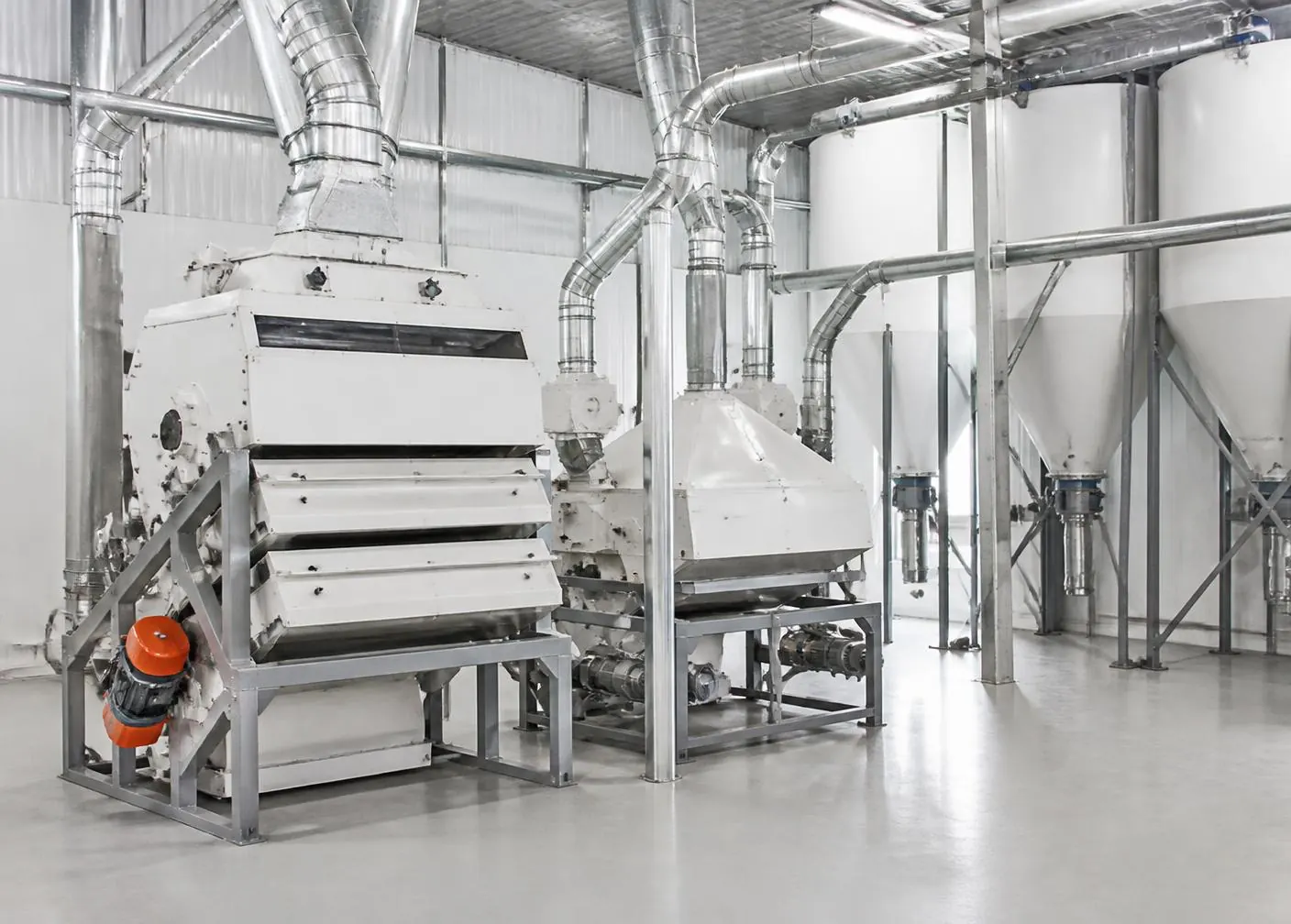
Wheat cleaning and conditioning equipment preparing grain for commercial flour milling

Understanding the Commercial Wheat Flour Milling Process

The exact process depends on the wheat classes, incoming grain condition, desired flour products, required capacity, mill configuration, equipment manufacturers, food-safety program, customer specifications, and operating strategy.

A commercial wheat flour mill may include the following connected stages.

  1. 01

    Wheat Receiving and Storage

    Incoming wheat is received, sampled, weighed, conveyed, elevated, and directed to the appropriate storage according to the facility's grain-handling and production plan.

    Receiving capacity, wheat segregation, storage volume, conveying distances, dust control, grain condition, and future production requirements can influence the equipment and project strategy.

    Equipment may include

    • Receiving pits
    • Truck or rail unloading equipment
    • Drag conveyors
    • Belt conveyors
    • Screw conveyors
    • Bucket elevators
    • Magnets
    • Scalpers
    • Grain bins
    • Storage silos
    • Dust-control equipment
  2. 02

    Wheat Cleaning and Classification

    The cleaning system removes foreign material and separates wheat according to physical characteristics before conditioning and milling.

    The exact cleaning sequence depends on the incoming wheat, contaminants, equipment configuration, mill requirements, and qualified technical design.

    Equipment may include

    • Vibratory separators
    • Grain cleaners
    • Classifiers
    • Aspirators
    • Air recyclers
    • Destoners
    • Magnets
    • Indented cylinders
    • Optical color sorters
    • Dust filters
  3. 03

    Surface Cleaning and Scouring

    Scouring may be used to clean the outer surface of the wheat and remove adhering dust, dirt, or other material before conditioning and milling. Aspiration and supporting separation equipment may remove loosened material from the product stream.

    Equipment may include

    • Wheat scourers
    • Aspirators
    • Air separators
    • Magnets
    • Conveyors
    • Bucket elevators
    • Dust-control equipment
  4. 04

    Conditioning and Tempering

    Conditioning introduces controlled moisture and resting time to prepare wheat for milling. Tempering requirements depend on the wheat, incoming moisture, mill design, desired product, environmental conditions, and direction of qualified milling professionals.

    V5 does not determine tempering targets or moisture additions without the responsible milling specialists, equipment manufacturers, and qualified technical personnel.

    Equipment may include

    • Intensive dampeners
    • Water-dosing systems
    • Moisture-control equipment
    • Tempering bins
    • Distributors
    • Conveyors
    • Bucket elevators
    • Second-dampening equipment when appropriate
  5. 05

    Roller Milling

    Roller mills gradually open the wheat kernel, separate bran from endosperm, reduce appropriate intermediate products, and support the production of flour streams through multiple grinding passages.

    Commercial milling systems may include break rolls, sizing rolls, reduction rolls, feeders, drives, aspiration, product distribution, and supporting control equipment.

    Equipment may include

    • Roller mills
    • Feeder systems
    • Product distributors
    • Drive systems
    • Aspiration equipment
    • Pneumatic conveying
    • Supporting controls
  6. 06

    Sifting and Product Classification

    Plansifters separate ground material according to particle size and direct the resulting streams toward the next appropriate milling, purification, finishing, or collection stage.

    Screen selection, sifter configuration, product routing, and mill balance must be determined by the responsible milling and equipment specialists.

    Equipment may include

    • Plansifters
    • Sifter sections
    • Screens
    • Product distributors
    • Spouting
    • Pneumatic conveying
    • Supporting aspiration
  7. 07

    Purification and Intermediate Product Treatment

    Purifiers and related equipment may separate and classify intermediate products according to particle characteristics and airflow. Detachers, bran finishers, and other finishing equipment may also be used according to the mill design and desired product recovery.

    Equipment may include

    • Purifiers
    • Impact detachers
    • Bran finishers
    • Vibro finishers
    • Air systems
    • Pneumatic conveying
    • Product collectors
  8. 08

    Flour Collection and Safety Sifting

    Finished flour streams may pass through collection, infestation-control, rebolt, or safety-sifting equipment before storage, blending, enrichment, packaging, or bulk loadout.

    The exact equipment depends on the facility's process design, food-safety requirements, customer specifications, and qualified technical direction.

    Equipment may include

    • Flour collectors
    • Rebolt sifters
    • Safety sifters
    • Entoleters when appropriate
    • Magnets
    • Flour conveyors
    • Pneumatic systems
    • Dust-control equipment
  9. 09

    Flour Storage, Blending, and Enrichment

    Finished flour may be directed to dedicated storage bins, blended to meet approved product specifications, and combined with authorized enrichment ingredients according to the facility's formulation, quality, food-safety, and regulatory requirements.

    V5 does not establish flour formulations, enrichment requirements, or regulatory compliance standards.

    Equipment may include

    • Flour bins
    • Blending systems
    • Micro-dosing equipment
    • Enrichment systems
    • Batch scales
    • Pneumatic conveying
    • Mechanical conveyors
    • Product-distribution equipment
  10. 10

    Bulk Loadout, Bagging, and Byproduct Handling

    Finished flour may be shipped in bulk, packaged in bags, or directed to other approved handling systems. Bran, middlings, and other co-products must also be conveyed, stored, packaged, loaded, or processed according to the facility's market and operating plan.

    Equipment may include

    • Bulk-flour loadout systems
    • Batch scales
    • Bagging machines
    • Packaging lines
    • Bag-closing equipment
    • Finished-product conveyors
    • Bran and middlings handling
    • Bulk-bag equipment
    • Optional pelleting systems
    • Dust-control equipment

This process description is provided for general informational purposes. Final process design, flow sheets, equipment selection, machine capacities, mill balance, tempering requirements, flour specifications, food-safety controls, and operating targets must be developed and approved by the responsible manufacturers, engineers, millers, laboratories, food-safety specialists, and qualified technical professionals.

Commercial Flour Milling Equipment Across the Complete Process

V5 Strategies can help flour mills and project partners evaluate and source equipment from domestic and international manufacturers.

The appropriate machinery depends on the wheat, desired flour products, process design, required production capacity, existing facility, equipment interfaces, installation requirements, food-safety program, and long-term support needs.

Wheat Receiving and Storage Equipment

Receiving and storage systems may include truck or rail unloading, receiving pits, conveyors, bucket elevators, magnets, scalpers, distributors, grain bins, silos, gates, level monitoring, weighing equipment, and dust-control systems.

Wheat Cleaning Equipment

Commercial wheat cleaning equipment may include grain cleaners, vibratory separators, classifiers, aspirators, air recyclers, destoners, scourers, indented cylinders, magnets, optical color sorters, conveyors, elevators, and dust filters.

Conditioning and Tempering Equipment

Wheat-conditioning systems may include intensive dampeners, water-dosing equipment, moisture-control equipment, tempering bins, distributors, conveyors, elevators, and second-dampening equipment when required by the qualified mill design.

Roller Mills, Plansifters, and Purifiers

The core flour-milling system may include roller mills, plansifters, purifiers, impact detachers, bran finishers, vibro finishers, product distributors, spouting, pneumatic conveying, aspiration, and supporting controls.

These machines must be evaluated as connected parts of the mill flow rather than independent equipment purchases.

Flour Handling, Blending, and Storage

Finished-flour systems may include flour collectors, safety sifters, storage bins, blending equipment, enrichment systems, micro-dosing equipment, mechanical or pneumatic conveying, batch scales, and product-distribution systems.

Bulk Loadout, Packaging, and Co-Product Handling

Finished-product and co-product equipment may include bulk loadout systems, automatic bagging machines, bulk-bag systems, packaging conveyors, bag-closing equipment, bran and middlings handling, storage, scales, and optional pelleting equipment.

Support for New Flour Mills, Modernization, and Equipment Replacement

A flour-milling project may involve a complete new facility, an expansion, one equipment replacement, a wheat-cleaning upgrade, a milling-system modernization, a packaging change, or improved coordination across an active project.

New Flour Milling Facilities

A new mill requires coordination across grain receiving, storage, cleaning, conditioning, milling, sifting, purification, pneumatic conveying, flour handling, utilities, construction, controls, packaging, commissioning, documentation, and startup responsibilities.

V5 helps connect the responsible companies, information, schedules, logistics, and project decisions.

Flour Mill Expansion and Modernization

Expansion projects must work within an operating facility. Existing equipment, building height, structural conditions, utilities, shutdown limitations, product flow, sanitation, dust control, installation access, and customer production requirements can affect the project.

V5 helps make those constraints visible and keeps the responsible companies connected.

Wheat Cleaning and Preparation Upgrades

Changes in incoming wheat, cleaning requirements, production capacity, product quality expectations, or existing-equipment condition may create a need to improve receiving, storage, cleaning, separation, scouring, conditioning, or tempering systems.

V5 can help coordinate equipment manufacturers, customer requirements, technical specialists, project information, logistics, and implementation activity.

Individual Equipment and Bottleneck Projects

A cleaner, destoner, scourer, dampener, roller mill, plansifter, purifier, pneumatic system, sifter, conveyor, scale, or packaging machine can restrict or disrupt a larger production system.

V5 helps define the project requirement, communicate with manufacturers, coordinate the responsible specialists, and connect the equipment decision to the surrounding facility.

Project Leadership Across the Flour Milling System

A commercial flour mill project may involve grain-handling manufacturers, cleaning-equipment suppliers, milling-equipment manufacturers, pneumatic-system providers, automation specialists, engineers, millwrights, contractors, electricians, freight providers, installers, commissioning personnel, millers, quality teams, and facility leadership.

The project can lose time and money when equipment interfaces are unclear, technical information is delayed, responsibilities overlap, customer decisions remain open, delivery dates change, site preparation falls behind, or installation activity is not coordinated across suppliers.

V5 Strategies provides project leadership across those boundaries. We help establish responsibilities, maintain communication, coordinate technical documents, track equipment and commercial requirements, support logistics, coordinate installation activity, document decisions, manage open issues, and maintain project momentum.

  1. 01

    Align the Milling Objective

    Clarify the project purpose, equipment scope, finished-product requirements, responsible technical specialists, facility conditions, project interfaces, schedule, commercial expectations, customer responsibilities, and measures of success.

  2. 02

    Coordinate the Companies and Information

    Connect the processor, equipment manufacturers, engineers, millers, contractors, millwrights, logistics providers, controls specialists, installers, and other responsible parties.

  3. 03

    Support Delivery and Installation

    Track manufacturing schedules, approvals, documents, freight, site readiness, delivery sequencing, installation requirements, customer decisions, changes, open questions, and issues requiring resolution.

  4. 04

    Support Commissioning and Handoff

    Coordinate startup schedules, responsible technical personnel, documentation, training requirements, punch-list items, warranty information, parts records, project closeout, and the transition into operation.

Great milling equipment is only half the project. Execution is the other half.

Project Leadership That Respects Specialized Milling Expertise

Flour milling is a specialized technical discipline. Decisions involving wheat grading, tempering, break release, roll settings, sifter configuration, purification, mill balance, extraction, flour quality, laboratory testing, microbial safety, and finished-product specifications require qualified milling professionals.

V5 Strategies does not replace those specialists.

V5 provides the project structure that helps processors, manufacturers, millers, engineers, laboratories, contractors, and other qualified specialists work within one connected effort.

When a flour mill requires operational analysis or technical improvement, V5 can help define the project, organize the available information, coordinate the appropriate specialists, track responsibilities, document decisions, and support implementation.

The technical specialist remains responsible for the technical recommendation. The equipment manufacturer remains responsible for its machinery. The facility remains responsible for operating decisions, food safety, quality, and regulatory compliance. V5 helps keep their work connected.

The right expertise creates the recommendation. Strong project leadership helps turn it into coordinated action.
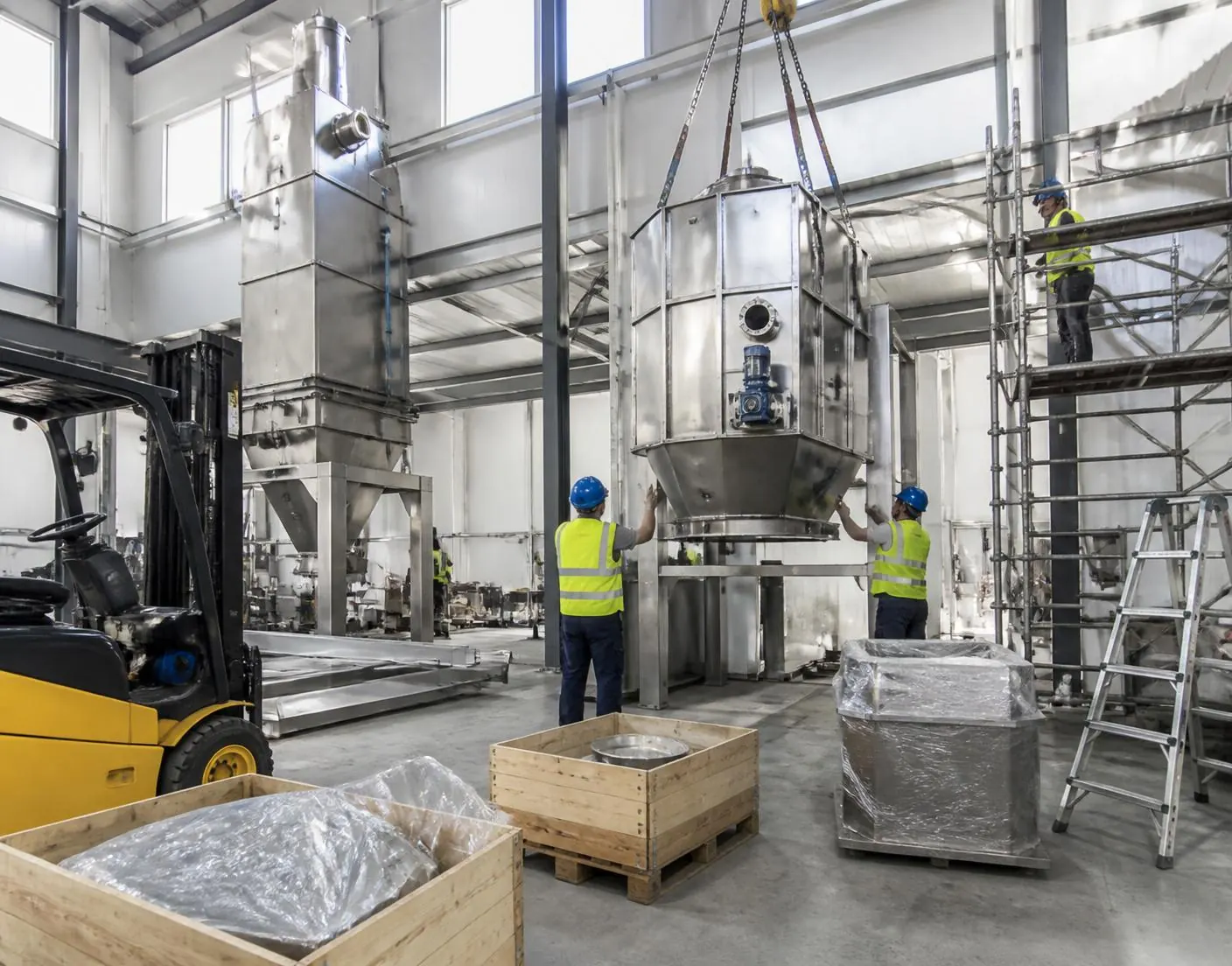
Project team coordinating equipment installation inside a commercial flour mill
V5 Pulse Mill Intelligence logo

Machine-Centered Mill Intelligence for Flour Milling

A flour mill may contain hundreds of machines, components, process connections, documents, records, and operating procedures from multiple manufacturers.

Manuals may be stored in filing cabinets or shared drives. Schematics may be separated from parts records. Maintenance history may be scattered across work orders, spreadsheets, employee notes, and individual memory.

V5 Pulse organizes authorized information around the specific equipment inside the flour mill. Operators, maintenance technicians, parts personnel, plant managers, training teams, equipment manufacturers, dealers, and authorized service partners can search, ask questions, review records, and move directly to the supporting source.

V5 Pulse machine profile showing authorized equipment information, manual references, and parts records

Flour Mill Equipment Knowledge

Connect manuals, specifications, schematics, operating procedures, photographs, training material, and facility-specific information to cleaners, destoners, scourers, dampeners, roller mills, plansifters, purifiers, finishers, pneumatic systems, sifters, bins, scales, and packaging equipment.

Maintenance, Parts, and Work History

Organize recorded maintenance entries, work orders, parts information, schematic references, inventory records, locations, service notes, and supporting documents around the machines those records describe.

Source-Linked AI Access

Allow authorized users to ask practical equipment and documentation questions in plain language and receive answers connected to approved manuals, pages, schematics, procedures, maintenance records, parts records, and machine profiles.

V5 Pulse does not calculate mill balance, independently optimize extraction, diagnose machinery, control equipment, or replace qualified millers and maintenance personnel.

A flour mill becomes easier to support when its knowledge is organized around its equipment.

V5 supports grain mills and processors, and the manufacturers, millwrights, and design-build firms that serve them.
Explore V5 Partnerships

Frequently Asked Questions About Flour Milling Equipment and Projects

Can V5 improve flour yield, extraction, or mill balance?

Not directly. V5 does not prescribe or guarantee yield, extraction, break release, roll settings, tempering, or flour quality. V5 can organize an improvement project and coordinate the qualified milling specialists and manufacturers who do.

Can V5 support only the wheat-cleaning or packaging portion of a mill?

Yes. The project can be one defined area: receiving, storage, cleaning, conditioning, milling equipment, pneumatic conveying, flour storage, blending, bulk loadout, packaging, byproduct handling, or a single equipment replacement.

What information do you need to evaluate a flour-milling project?

Wheat classes, incoming condition, desired flour products, required capacity, approved process flow, existing equipment, facility drawings, available space and utilities, pneumatic requirements, packaging needs, project location, and schedule.

From Wheat Receiving to Finished Flour

Tell Us About Your Wheat or Flour Milling Project

Are you selecting flour-milling equipment, modernizing wheat cleaning, expanding an existing mill, replacing a critical machine, coordinating multiple manufacturers, preparing for installation, or exploring V5 Pulse Mill Intelligence?

Tell us about the incoming wheat, desired finished product, required capacity, existing facility, equipment need, responsible technical partners, project location, and current stage of the work.
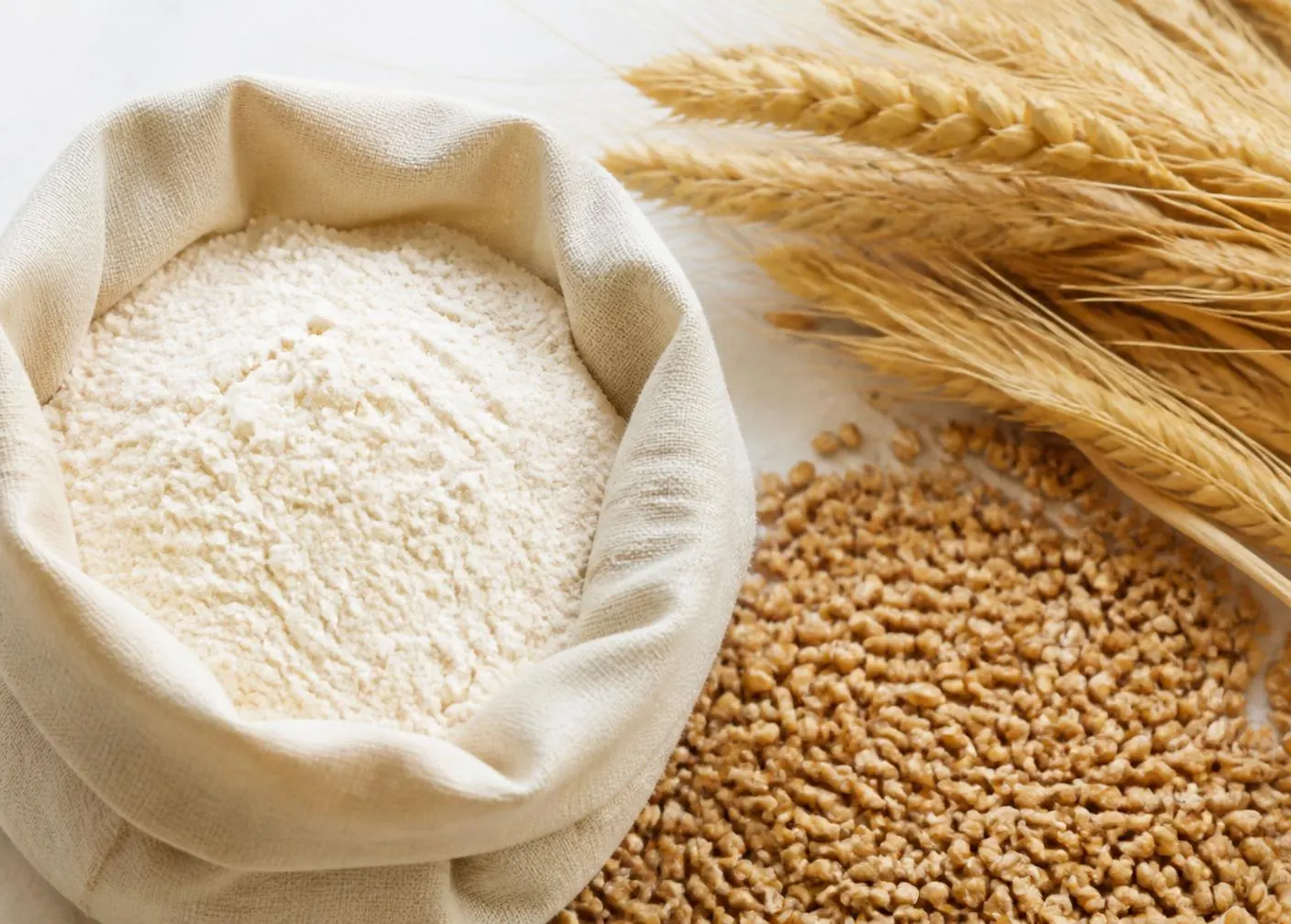
Finished white wheat flour in an open sack beside golden wheat kernels and wheat stalks

Project Leadership

Connect responsibilities, information, schedules, logistics, installation, and startup.

Discuss Your Project