Seed Conditioning and Packaging

Seed Conditioning Equipment, Project Leadership, and Mill Intelligence

V5 Strategies supports seed-conditioning and packaging facilities, agricultural processors, equipment manufacturers, millwrights, contractors, and design-build firms involved in commercial seed preparation.

From receiving, pre-cleaning, air-screen cleaning, aspiration, sizing, destoning, gravity separation, optical sorting, storage, weighing, and packaging, each stage must support the specific seed, finished-product requirements, facility, and market.

V5 connects seed-conditioning equipment sourcing, multi-company project leadership, logistics, installation coordination, commissioning support, documentation, and V5 Pulse Mill Intelligence within one coordinated strategy.

Protect the seed. Separate with purpose. Package with confidence.

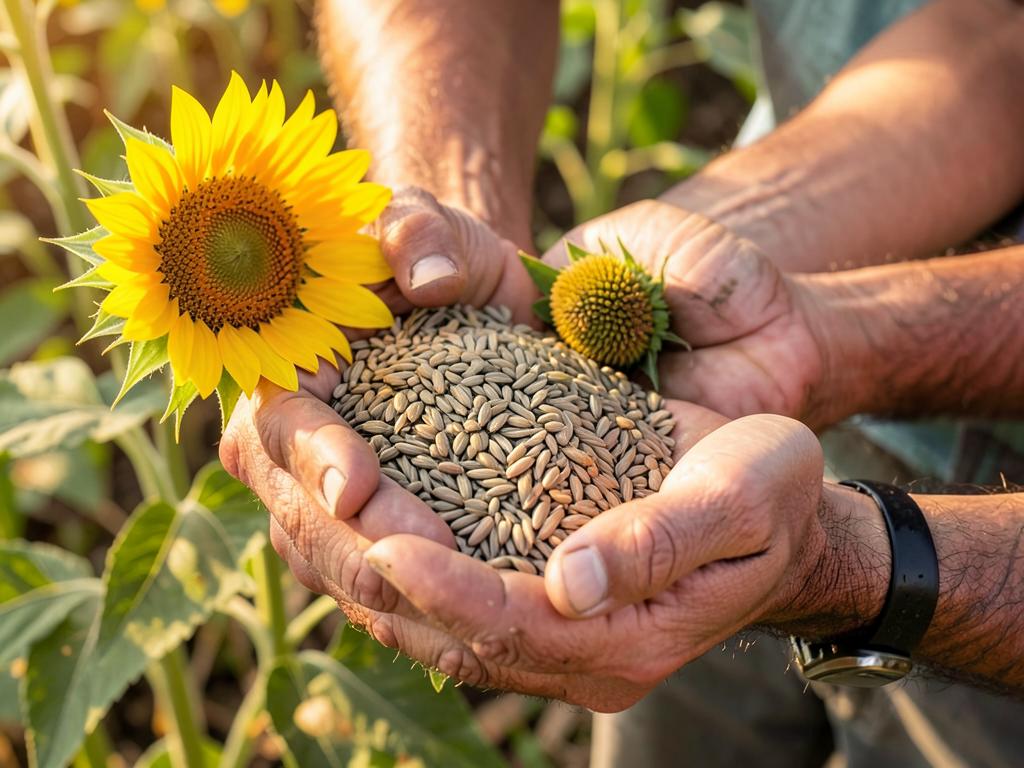
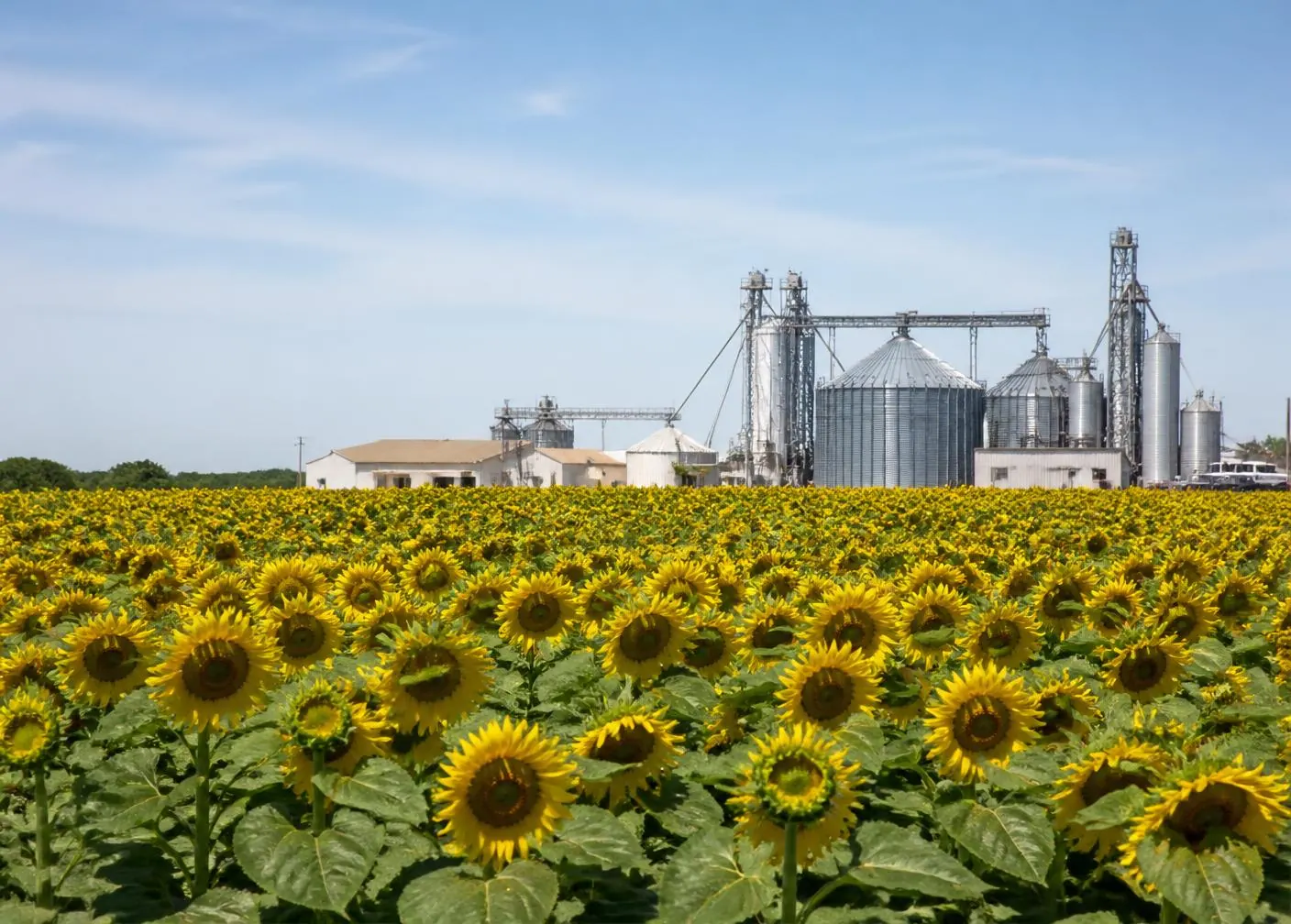
Sunflower field in bloom in front of a commercial seed conditioning facility with storage bins under a blue sky

Seed Conditioning Requires More Than General Cleaning

General grain cleaning removes unwanted material from a commodity stream. Seed conditioning may require more precise separation according to size, shape, density, appearance, condition, and the requirements of the intended market.

A seed lot may contain plant material, dust, stones, broken seed, undersized seed, oversized seed, light material, damaged product, off-color seed, foreign grain, or other unwanted material.

The processing line must separate these differences while limiting unnecessary cracking, abrasion, impact, and product loss.

Equipment selection depends on the seed type, variety, incoming condition, moisture, size, shape, density, fragility, contamination profile, desired classification, required capacity, packaging, facility, and market requirements.

V5 Strategies helps organize those requirements and communicate them to the processors, equipment manufacturers, engineers, laboratories, quality personnel, contractors, and qualified technical specialists responsible for the final solution.
Cleaning removes what does not belong. Conditioning prepares the seed for what comes next.

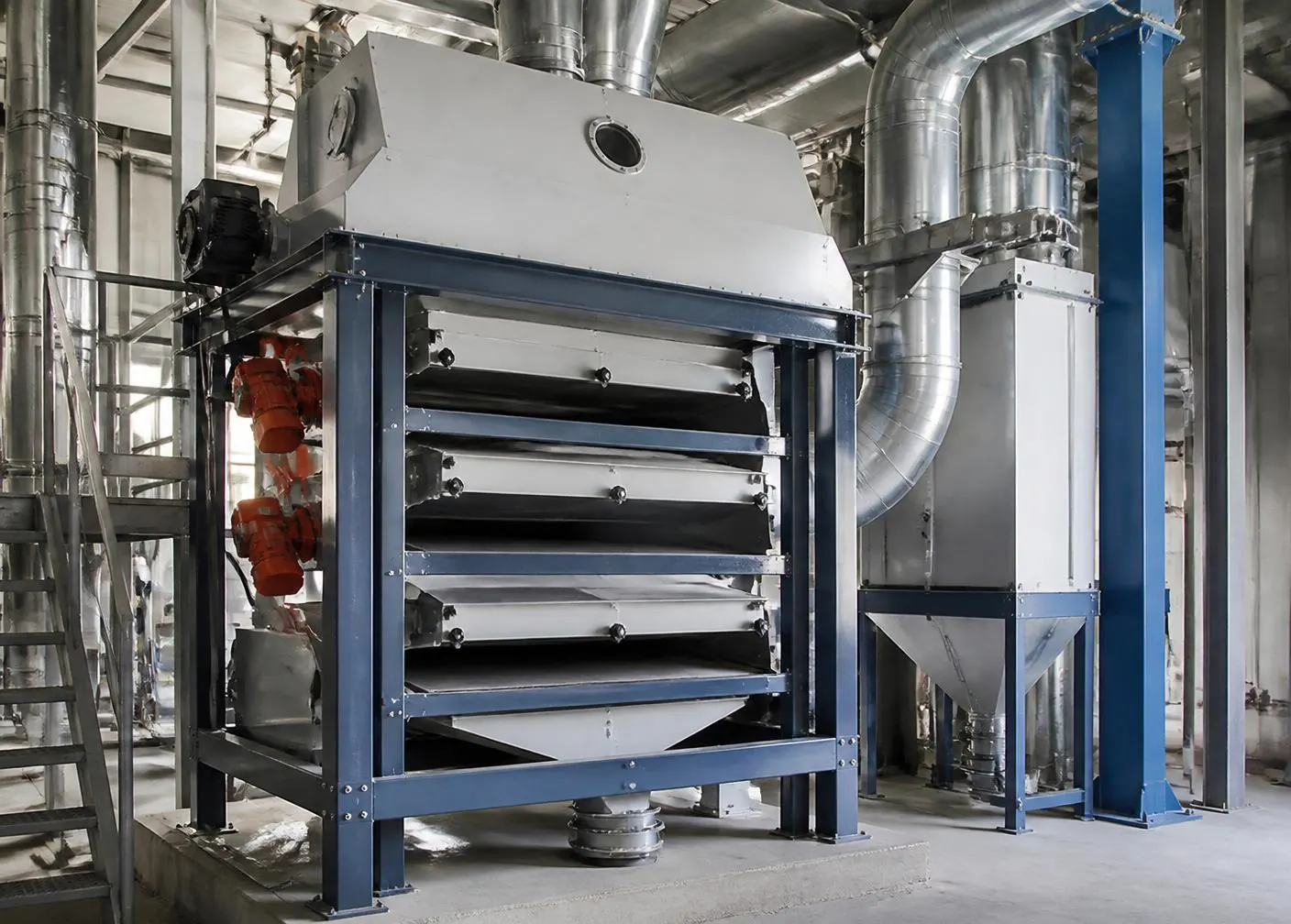
Commercial air-screen seed cleaner with stacked screen decks and aspiration ducting inside a seed conditioning plant

Understanding the Commercial Seed-Conditioning Process

There is no universal equipment sequence for every seed. The final process depends on the crop, variety, incoming condition, desired classification, facility, required capacity, packaging, and responsible technical specialists.

A commercial seed-conditioning line may include the following stages.

  1. 01

    Receiving, Sampling, and Lot Identification

    Incoming seed is received, identified, sampled, weighed, conveyed, and directed to appropriate storage according to the facility's operating procedures.

    The receiving system may need to manage multiple crops, varieties, lots, grades, or ownership groups while limiting unwanted mixing, contamination, and product damage.

    Equipment may include

    • Bag-unloading equipment
    • Bulk receiving systems
    • Conveyors
    • Bucket elevators
    • Scales
    • Magnets
    • Receiving bins
    • Storage bins
    • Distributors
    • Dust-control equipment
  2. 02

    Pre-Cleaning and Scalping

    Pre-cleaning removes large, small, and light foreign material before the seed reaches more precise separation equipment.

    Removing this material can reduce the load placed on downstream machines and improve preparation for later conditioning stages.

    Equipment may include

    • Pre-cleaners
    • Scalpers
    • Screeners
    • Magnets
    • Aspirators
    • Dust filters
    • Conveyors
    • Bucket elevators
  3. 03

    Air-Screen Cleaning

    Air-screen cleaners combine screening and aspiration to separate material according to size and aerodynamic characteristics.

    The selected screens, airflow, feed rate, deck arrangement, and machine settings depend on the seed, incoming condition, desired separation, and manufacturer requirements.

    Equipment may include

    • Air-screen cleaners
    • Screen decks
    • Aspirators
    • Fans
    • Cyclones
    • Dust filters
    • Feed-control equipment
    • Product collectors
  4. 04

    Sizing and Dimensional Grading

    Seed may be separated according to width, thickness, length, shape, or other physical characteristics. The required grading method depends on the seed variety and finished-product requirements.

    Equipment may include

    • Screen graders
    • Length graders
    • Thickness graders
    • Indented cylinders
    • Rotary sifters
    • Split separators
    • Product distributors
    • Bins
  5. 05

    Destoning and Density Separation

    Destoners and gravity separators may remove stones, heavy contaminants, light seed, damaged product, immature seed, or other density-based differences according to the application.

    Effective separation depends on crop preparation, consistent feed, airflow, equipment settings, product characteristics, and qualified operation.

    Equipment may include

    • Destoners
    • Gravity separators
    • Feed-control equipment
    • Aspirators
    • Product-diversion systems
    • Working bins
    • Conveyors
    • Bucket elevators
  6. 06

    Optical Color Sorting

    Optical color sorters can identify and remove selected color differences, foreign material, and visible defects according to the sorter technology, calibration, product condition, and approved quality requirements.

    Optical sorting does not replace appropriate cleaning, sizing, density separation, laboratory testing, or final quality control.

    Equipment may include

    • Optical color sorters
    • Product feeders
    • Resort systems
    • Inspection conveyors
    • Sorting tables
    • Product bins
    • Supporting conveyors
  7. 07

    Finished-Seed Storage and Holding

    Conditioned seed may be directed to finished-product bins or other controlled storage before weighing and packaging.

    The storage system must reflect the seed, lot structure, facility procedures, production schedule, cleanout requirements, packaging plan, and measures used to prevent unwanted mixing.

    Equipment may include

    • Finished-product bins
    • Surge bins
    • Distributors
    • Gates
    • Conveyors
    • Bucket elevators
    • Scales
    • Dust-control equipment
  8. 08

    Weighing, Bagging, and Packaging

    Finished seed is weighed, bagged, sealed or closed, labeled by the responsible company, palletized, stored, or prepared for shipment according to the customer, package size, market, warehouse, and regulatory requirements.

    V5 does not determine seed labeling, certification, treatment disclosure, or regulatory requirements.

    Equipment may include

    • Batch scales
    • Automatic bagging machines
    • Bulk-bag systems
    • Bag-closing equipment
    • Packaging conveyors
    • Pallet-handling equipment
    • Finished-product storage
    • Supporting controls

This process description is provided for general informational purposes. Final equipment selection, screen specifications, machine sequence, capacity, operating settings, product classification, purity standards, testing requirements, packaging, labeling, certification, and regulatory compliance must be developed and approved by the responsible seed company, processors, manufacturers, agronomists, laboratories, engineers, quality personnel, and qualified technical professionals.

Commercial Seed Cleaning, Conditioning, and Packaging Equipment

V5 Strategies can help seed processors and project partners evaluate and source commercial equipment from domestic and international manufacturers.

The appropriate equipment depends on the crop, variety, incoming condition, desired classification, capacity, facility, handling requirements, packaging, documentation, and long-term service needs.

Seed Receiving, Conveying, and Storage

Material-handling systems may include bag receiving, bulk receiving, conveyors, bucket elevators, magnets, scales, storage bins, working bins, distributors, gates, and dust-control equipment.

Equipment and transfer points should be evaluated according to seed fragility, lot separation, cleanout requirements, capacity, facility layout, and product flow.

Pre-Cleaning and Air-Screen Cleaning

Cleaning equipment may include pre-cleaners, scalpers, air-screen cleaners, screen decks, aspirators, fans, cyclones, dust filters, product collectors, feed-control systems, conveyors, and elevators.

Sizing and Grading Equipment

Sizing and grading systems may include screen graders, length graders, thickness graders, indented cylinders, rotary sifters, split separators, product distributors, bins, and conveying equipment.

The machinery and separation criteria must reflect the specific seed and desired classification.

Destoning and Gravity Separation Equipment

Seed destoners and gravity separators can classify material according to density and help remove stones, heavy contaminants, light seed, immature product, damaged seed, or other unwanted material according to the approved application.

Optical Sorting and Final Inspection

Final sorting systems may include optical color sorters, product feeders, resort systems, inspection conveyors, sorting tables, metal detection when required, product bins, and supporting conveyors.

Seed Weighing and Packaging Equipment

Finished-product systems may include batch scales, automatic bagging machines, bulk-bag filling, bag-closing equipment, packaging conveyors, pallet-handling systems, finished-product storage, and supporting controls.

Equipment Must Match the Seed and the Finished Product

Seed-conditioning facilities may process one product or several crops, varieties, grades, and package sizes. The equipment and project requirements change according to the material being processed and the market it will serve.

Different seed creates different separation, handling, storage, and packaging requirements.

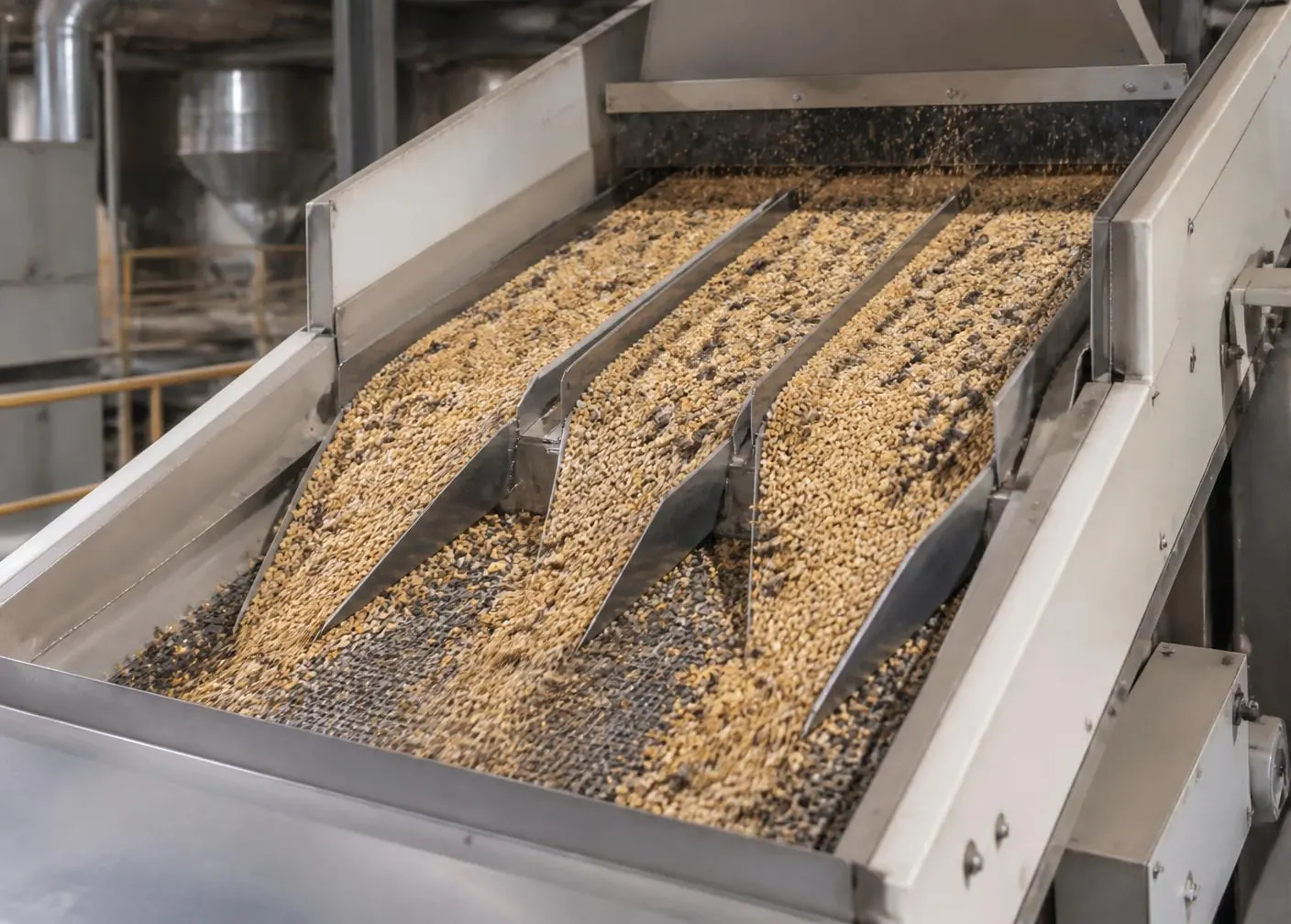
Gravity separator classifying agricultural seed according to density inside a commercial seed processing plant

Commercial Crop Seed

Commercial crop-seed operations may require receiving, pre-cleaning, air-screen cleaning, grading, density separation, optical sorting, controlled storage, weighing, packaging, documentation, and careful lot management.

Qualified seed professionals remain responsible for testing, certification, labeling, treatment, quality, and regulatory decisions.

Sunflower Seed and Kernel Cleaning

Sunflower seed and kernel operations may require crop-specific cleaning, aspiration, sizing, density separation, optical sorting, gentle conveying, storage, weighing, packaging, and dust-control equipment.

The final equipment path depends on whether the facility is handling planting seed, commodity seed, in-shell product, kernels, or another finished product.

Small and Specialty Seeds

Small or specialty seeds may create additional requirements involving screen selection, airflow, feed control, product recovery, equipment cleanout, low-impact handling, contamination prevention, and packaging accuracy.

Multi-Crop Seed Facilities

Facilities processing multiple crops or varieties require organized changeovers, screen management, equipment cleanout, product routing, storage, packaging, documentation, and operator knowledge.

Support for New Seed Lines, Modernization, and Packaging Projects

New Seed-Conditioning Lines

A new line may require equipment from several manufacturers across receiving, pre-cleaning, air-screen cleaning, sizing, destoning, gravity separation, optical sorting, conveying, storage, weighing, packaging, and dust control.

V5 helps connect the equipment packages, companies, technical information, commercial activity, logistics, installation plans, and commissioning responsibilities.

Seed Plant Expansion and Modernization

Expansion projects may introduce new crops, additional capacity, improved cleaning, new sorting technology, changed product routing, additional storage, new packaging formats, or equipment installation inside an operating facility.

Packaging and Finished-Product Upgrades

Packaging projects may involve new bag sizes, batch scales, bagging machines, bag-closing equipment, conveyors, pallet handling, finished-product storage, product routing, controls, and warehouse requirements.

V5 does not determine labeling or regulatory requirements.

Individual Equipment and Bottleneck Projects

A pre-cleaner, air-screen cleaner, destoner, gravity separator, grader, optical sorter, conveyor, elevator, scale, or packaging machine can limit the performance of the larger operation.

V5 helps define the requirement, evaluate equipment options, coordinate the responsible companies, and connect the replacement to the surrounding facility.

Project Leadership Across Cleaning, Conditioning, and Packaging

A seed-conditioning project may involve the processor, equipment manufacturers, engineers, agronomists, laboratories, quality teams, contractors, millwrights, freight providers, controls specialists, electricians, installers, packaging suppliers, commissioning personnel, and other project partners.

Problems often develop where one company’s scope connects to another. Equipment capacities may not align. Screen information may be incomplete. Product routes may remain unresolved. Packaging changes may affect upstream storage. Delivery dates may move. Site preparation may fall behind.

V5 Strategies helps establish responsibilities, maintain communication, coordinate technical information, track commercial activity, organize documentation, support logistics, coordinate installation, document decisions, resolve open issues, and maintain project momentum.

  1. 01

    Align the Seed and Project Requirements

    Clarify the crops, varieties, incoming condition, desired classification, equipment scope, facility constraints, lot requirements, packaging, responsible specialists, schedule, commercial expectations, and measures of success.

  2. 02

    Coordinate Manufacturers and Specialists

    Connect the processor, equipment manufacturers, engineers, agronomists, laboratories, contractors, millwrights, logistics providers, controls companies, installers, packaging suppliers, and other responsible parties.

  3. 03

    Support Delivery and Installation

    Track approvals, documentation, manufacturing schedules, freight, site readiness, equipment delivery, installation sequencing, product-flow interfaces, changes, and issues requiring resolution.

  4. 04

    Support Commissioning and Handoff

    Coordinate startup schedules, manufacturer participation, responsible technical specialists, documentation, training requirements, punch-list items, parts information, warranties, project closeout, and the transition into operation.

Precision equipment still requires precise coordination.

V5 Pulse Mill Intelligence logo

Machine-Centered Intelligence for Seed Processing Equipment

A seed-conditioning facility may contain equipment from several manufacturers, each with its own manuals, specifications, schematics, parts information, maintenance requirements, screens, operating procedures, and service history.

Multi-crop facilities also depend on knowledge involving equipment cleanout, screen changes, product routing, changeovers, packaging, storage, and approved operating procedures.

V5 Pulse organizes authorized information around the specific machines inside the facility.

V5 Pulse machine profile view showing authorized equipment information, manual references, and parts records

Equipment and Changeover Knowledge

Connect authorized manuals, specifications, schematics, approved screen information, procedures, changeover instructions, photographs, training material, and facility knowledge to cleaners, graders, destoners, gravity separators, sorters, conveyors, elevators, bins, scales, and packaging equipment.

Maintenance, Parts, and Inventory Records

Organize recorded maintenance history, work orders, service notes, parts information, schematic references, available inventory records, storage locations, and supporting documents around the equipment those records describe.

Source-Linked AI Access

Allow authorized users to ask practical equipment and documentation questions in plain language and receive answers connected to approved manuals, pages, schematics, procedures, maintenance records, parts records, work orders, and machine profiles.

V5 Pulse does not automatically inspect seed, determine screen selection, adjust machinery, certify quality, diagnose failures, or replace qualified processors, agronomists, technicians, manufacturers, laboratories, and quality personnel.

Preserve the knowledge behind every cleaner, grader, separator, sorter, scale, and packaging machine.

Separately Scoped V5 Pulse Capability

Connecting Equipment Knowledge With Seed Lot Information

Seed operations may need to understand how incoming lots, storage locations, equipment routes, conditioning runs, packaging activity, and finished shipments relate to one another.

When Traceability Intelligence is separately scoped and the required authorized data is available, V5 Pulse can help organize and connect records involving incoming lots, bins, equipment routes, processing activity, packaging, and shipments.

The usefulness of the system depends on the accuracy, completeness, and timeliness of the information supplied by the customer and authorized systems.

Trace the available records. Understand the event. Define the exposure. Act with greater confidence.

V5 supports grain mills and processors, and the manufacturers, millwrights, and design-build firms that serve them.

Explore V5 Partnerships

Frequently Asked Questions About Seed Conditioning and Packaging

What is seed conditioning?

Preparing seed for sale or planting through receiving, pre-cleaning, air-screen cleaning, aspiration, sizing, grading, destoning, density separation, optical sorting, storage, weighing, and packaging, while protecting purity and germination.

Can the same equipment process different seeds?

Sometimes, but each seed has its own size, shape, density, fragility, screen, airflow, and quality requirements. Multi-seed plants need equipment, screens, and changeover procedures evaluated for every product they run.

Does V5 provide seed treatment or select treatment chemicals?

No. Seed treatment is not a V5 capability. Treatment equipment, chemistry, application rates, worker protection, labeling, and regulatory compliance belong to separately qualified equipment providers, agronomists, chemical suppliers, and safety and regulatory specialists.

What information do you need to evaluate a seed-conditioning project?

The crops and varieties, incoming condition and moisture, foreign-material profile, desired classification, required capacity, current process flow, screen information, lot requirements, available space and utilities, existing equipment, packaging requirements, project location, and schedule.

From Incoming Seed to Finished Package

Tell Us About Your Seed Conditioning Project

Are you building a new conditioning line, modernizing a multi-crop facility, replacing a cleaner or gravity separator, adding optical sorting, changing packaging, coordinating multiple manufacturers, or exploring V5 Pulse Mill Intelligence?

Tell us about the seeds, varieties, incoming condition, desired classification, required capacity, existing facility, equipment need, packaging requirements, project location, and current stage of the work.

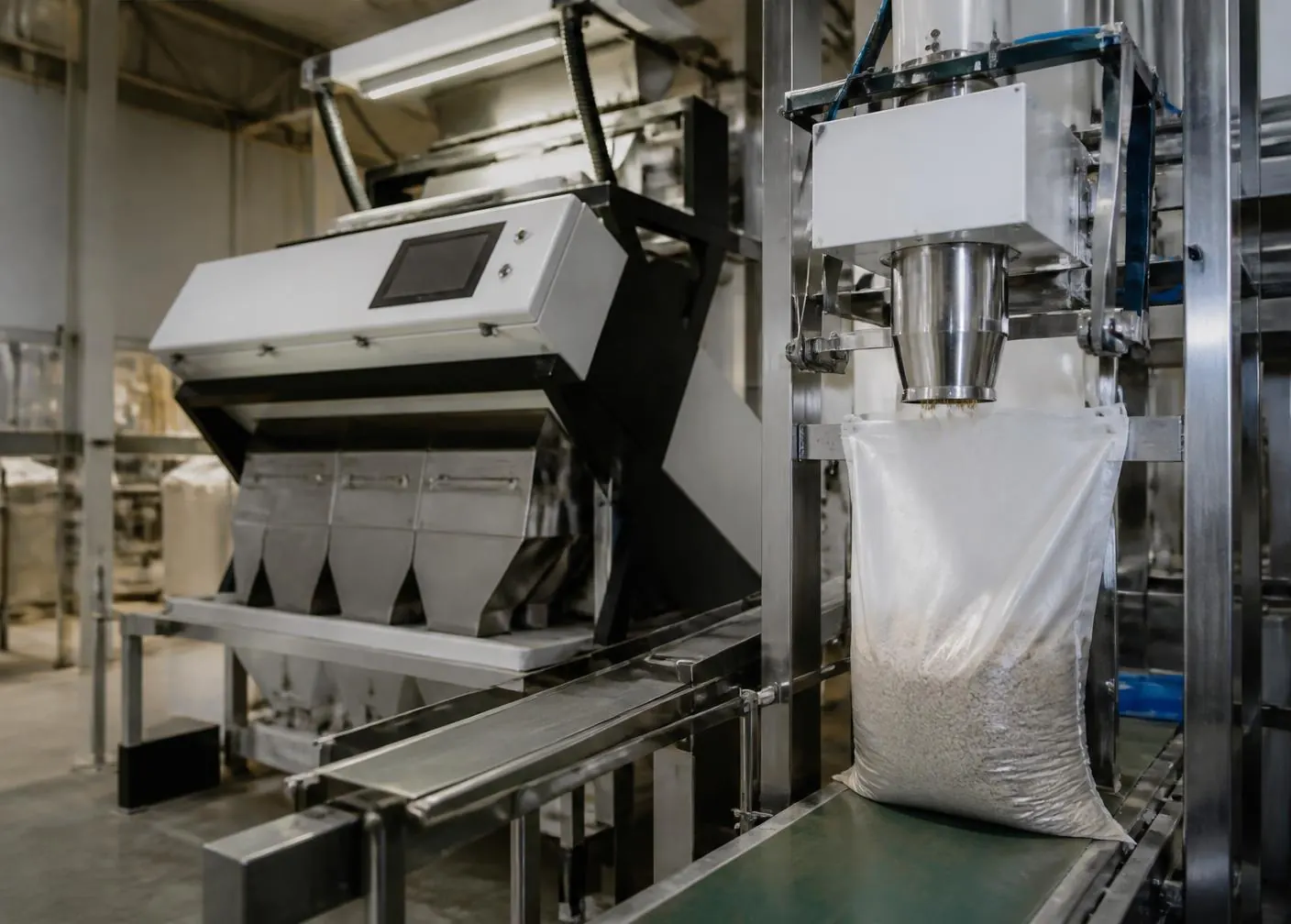
Optical color sorter and automatic bagging line packaging cleaned agricultural seed in a commercial seed plant

Project Leadership

Connect responsibilities, information, schedules, logistics, installation, and startup.

Discuss Your Project