Rice Processing

Rice Processing Equipment, Project Leadership, and Mill Intelligence

V5 Strategies supports rice mills, equipment manufacturers, contractors, and design-build firms involved in every aspect of commercial rice processing.

From initial paddy receiving all the way through weighing and packaging, every stage must support the quality, capacity, and finished-product requirements of the complete operation.
A rice line is a connected system. Every stage affects what follows.

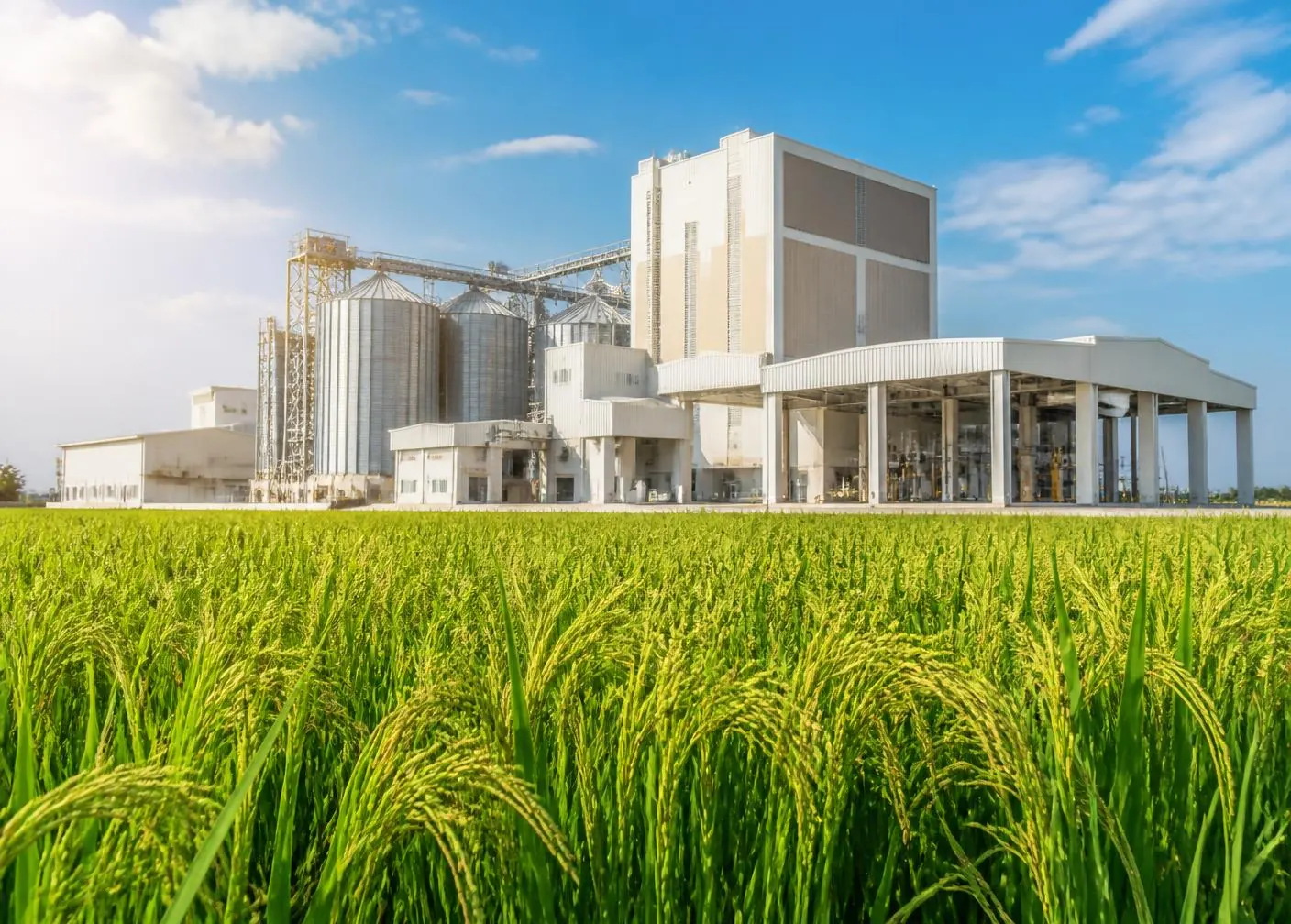
Green rice paddy field in front of a modern commercial rice milling facility under a blue sky

A Rice Mill Is More Than a Series of Machines

A commercial rice mill depends on the relationship between each process stage. Receiving and storage affect the condition of the incoming paddy. Cleaning and destoning protect downstream equipment. Husking performance affects paddy separation. Paddy separation affects the load placed on whitening equipment. Whitening and polishing affect appearance, recovery, breakage, and finished-product quality.

Grading and optical sorting must support the customer’s product specifications. Weighing and packaging must match the finished product, package size, production rate, storage plan, and shipping requirements.

Selecting each machine independently can create capacity imbalances, poor product flow, unnecessary recirculation, installation conflicts, maintenance problems, and bottlenecks between equipment stages.

V5 Strategies helps organize the operational requirements and connect the processors, manufacturers, technical information, equipment interfaces, logistics, contractors, installation plans, and project decisions required to move the complete rice-processing system forward.

The objective is not to purchase a collection of machines. The objective is to create a line that works as one operation.
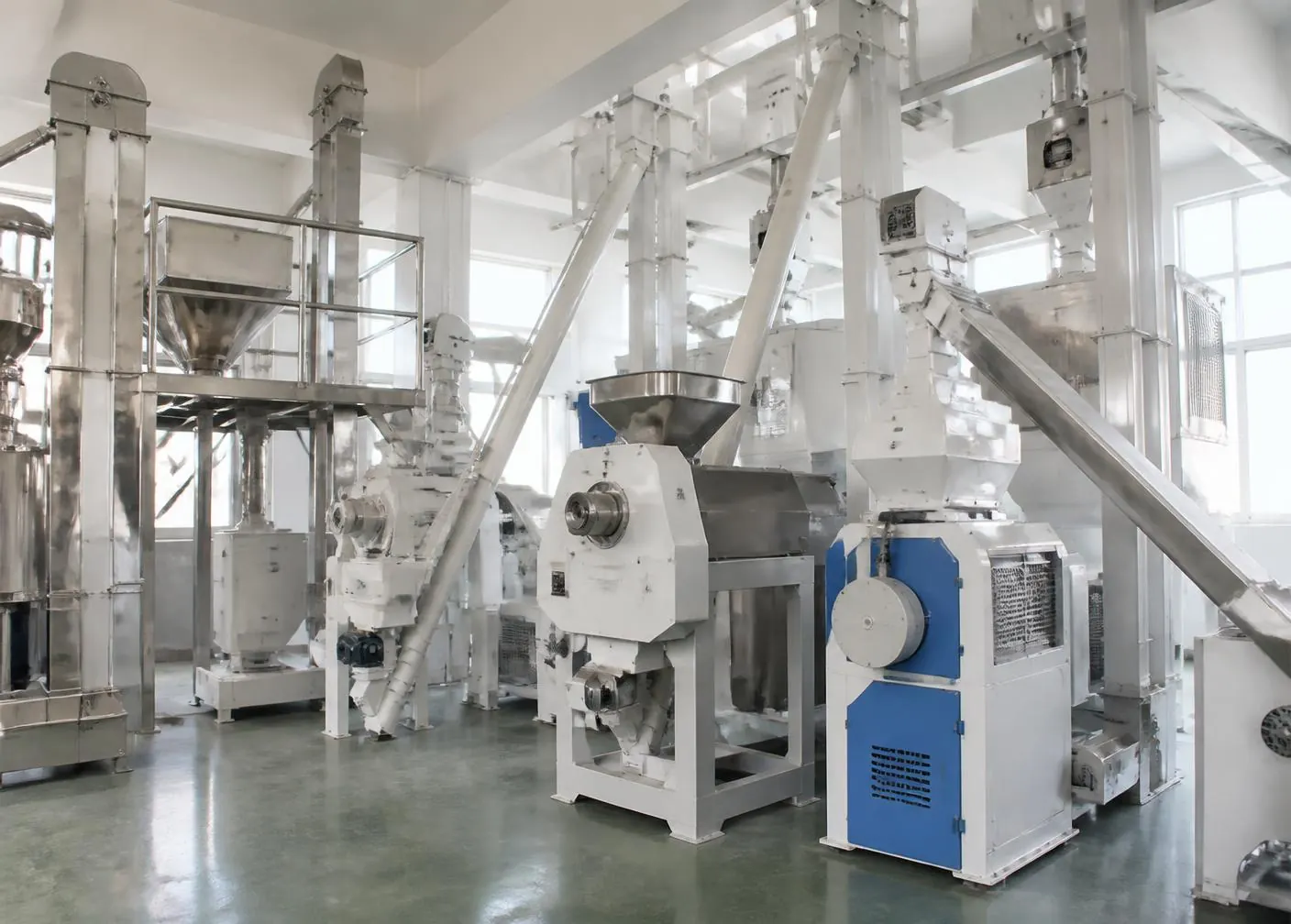
Commercial rice-processing equipment for cleaning and milling paddy rice inside a bright mill

Understanding the Commercial Rice Milling Process

The exact rice-milling process depends on the incoming paddy, desired finished product, production capacity, facility, equipment manufacturers, market requirements, and quality objectives. A conventional white-rice line may include the following connected stages.

  1. 01

    Paddy Receiving and Storage

    Incoming paddy is received, sampled, conveyed, elevated, cleaned as required, and directed to appropriate storage or working bins. Receiving capacity, moisture, crop variety, storage strategy, conveying distances, and future production requirements can influence the handling system.

    Equipment may include

    • Receiving systems
    • Conveyors
    • Bucket elevators
    • Magnets
    • Pre-cleaners
    • Storage silos
    • Working bins
    • Dust-control equipment
  2. 02

    Pre-Cleaning and Paddy Cleaning

    Pre-cleaning and cleaning remove foreign material that could reduce product quality, interfere with processing, create unnecessary equipment wear, or increase the load on downstream machinery.

    Equipment may include

    • Pre-cleaners
    • Grain cleaners
    • Screeners
    • Aspirators
    • Magnets
    • Dust filters
    • Conveyors
    • Bucket elevators
  3. 03

    Destoning and Heavy-Material Separation

    Destoning separates stones and other heavy contaminants from the paddy before husking and downstream processing. Proper preparation, airflow, feed distribution, and equipment capacity are important to effective separation.

    Equipment may include

    • Destoners
    • Gravity-based separation equipment
    • Aspirators
    • Feed-control equipment
    • Supporting conveyors and elevators
  4. 04

    Husking and Aspiration

    The husking stage removes the outer hull from the paddy. Aspiration helps separate the loosened hulls and lighter material from the rice stream. Husking performance affects product recovery, downstream separation, and the amount of unhulled paddy requiring recirculation.

    Equipment may include

    • Rice huskers
    • Husk aspirators
    • Pneumatic systems
    • Bins
    • Conveyors
    • Bucket elevators
  5. 05

    Paddy Separation

    Paddy separation divides brown rice from kernels that remain unhusked. The brown rice continues toward whitening while unhulled paddy may return to the husking stage according to the equipment configuration and operating process.

    Equipment may include

    • Paddy separators
    • Distribution equipment
    • Return conveyors
    • Bucket elevators
    • Surge or working bins
  6. 06

    Whitening

    Whitening removes bran layers from brown rice to produce white rice. The number and type of whitening stages depend on the equipment, desired finished product, production objective, and process configuration.

    Equipment may include

    • Abrasive whiteners
    • Friction whiteners when appropriate
    • Bran aspiration systems
    • Bins
    • Conveyors
    • Bucket elevators
  7. 07

    Polishing and Finish Sifting

    Polishing improves the appearance and surface finish of the rice. Finish sifting may help remove small particles, bran residue, or material created during whitening and polishing.

    Equipment may include

    • Water polishers
    • Mist polishers when appropriate
    • Finish sifters
    • Aspirators
    • Bins
    • Conveying equipment
  8. 08

    Grading and Optical Sorting

    Grading separates rice according to length, thickness, or other physical characteristics. Optical color sorting helps remove discolored kernels, remaining foreign material, and other defects according to the selected sorter and finished-product requirements.

    Equipment may include

    • Indented-cylinder length graders
    • Thickness graders
    • Rotary sifters
    • Optical color sorters
    • Supporting bins
    • Conveyors
    • Bucket elevators
  9. 09

    Finished-Product Weighing and Packaging

    Finished rice is accumulated, weighed, bagged, packaged, stored, or directed toward bulk handling according to the customer's market and shipping requirements.

    Equipment may include

    • Finished-product bins
    • Batch scales
    • Automatic rice bagging machines
    • Bulk-bag filling systems
    • Packaging conveyors
    • Bag-closing equipment
    • Finished-product handling systems

This process description is provided for general informational purposes. The final process design, equipment selection, machine capacity, configuration, and operating requirements must be developed with the responsible manufacturers, engineers, and qualified technical professionals.

Commercial Rice Processing Equipment Across the Complete Line

V5 Strategies can help processors and project partners evaluate and source rice-processing equipment from domestic and international manufacturers. The appropriate machinery depends on the paddy, desired finished product, capacity, existing facility, available utilities, installation requirements, and long-term service needs.

Paddy Handling and Storage Equipment

Paddy handling systems may include receiving equipment, conveyors, bucket elevators, magnets, pre-cleaners, storage silos, working bins, gates, distributors, dust-control equipment, and supporting material-handling components.

The equipment must support receiving capacity, storage strategy, product flow, facility layout, and the operating requirements of the downstream rice mill.

Rice Cleaning and Separation Equipment

Rice cleaning equipment may include pre-cleaners, grain cleaners, screeners, destoners, aspirators, gravity-based separators, magnets, dust filters, and related machinery used to remove foreign material and prepare paddy for husking.

Husking, Paddy Separation, and Whitening Equipment

The core milling process may include rice huskers, hull aspirators, paddy separators, abrasive whiteners, friction whiteners, bran-removal systems, working bins, conveyors, and elevators.

These machines must be evaluated as connected stages rather than unrelated equipment purchases.

Rice Polishing, Grading, and Sorting Equipment

Finished-product preparation may include water polishers, finish sifters, length graders, thickness graders, optical color sorters, inspection equipment, bins, conveyors, and other machinery used to produce consistent, market-ready rice.

Rice Weighing and Packaging Equipment

Finished-rice handling may include batch scales, automatic bagging machines, bulk-bag systems, packaging lines, bag-closing equipment, conveyors, storage bins, and supporting controls.

The system must reflect the required package sizes, production rate, finished-product storage, customer requirements, and shipping method.

Support for New Rice Mills, Modernization, and Equipment Replacement

Rice-processing projects do not always begin with a complete new facility. V5 can support an individual machine requirement, a production bottleneck, a modernization project, a facility expansion, or a multi-manufacturer rice-milling line.

New Rice Processing Lines

A new rice-processing line requires coordination across equipment stages, manufacturers, technical information, facility requirements, material flow, utilities, logistics, contractors, installation sequencing, commissioning, documentation, and startup responsibilities.

V5 helps connect those decisions and maintain communication among the companies involved.

Rice Mill Expansion and Modernization

Expansion projects must work within the limitations of an existing operation. Available space, building height, existing equipment, utilities, shutdown schedules, structural conditions, material-flow paths, and installation access can all affect the solution.

V5 helps make those constraints visible during equipment evaluation and project planning.

Bottleneck and Equipment Replacement Projects

A cleaner, destoner, husker, paddy separator, whitener, polisher, grader, sorter, conveyor, elevator, scale, or packaging machine can restrict the performance of the complete rice line.

V5 helps define the operating requirement, communicate the application to manufacturers, evaluate equipment options, and coordinate the replacement with the surrounding process.

International Rice Projects

International equipment projects may introduce additional requirements involving language, time zones, freight, customs, documentation, electrical standards, local contractors, installation support, commissioning, replacement parts, and long-term service.

V5 helps organize communication and keep the processor, manufacturers, logistics providers, contractors, and project partners connected.

Project Leadership That Connects the Entire Rice Line

A commercial rice project may involve equipment from several manufacturers, a processor with specific production requirements, engineers, freight providers, contractors, millwrights, electricians, controls specialists, installers, commissioning personnel, and local partners.

V5 Strategies provides project leadership across the boundaries. We help establish responsibilities, maintain customer and manufacturer communication, coordinate technical information, track commercial requirements, organize documentation, support logistics, coordinate installation activity, track open issues, and maintain project momentum.

  1. 01

    Align the Rice-Processing Objective

    Clarify the incoming paddy, desired finished product, capacity, process stages, equipment requirements, facility constraints, project scope, responsibilities, schedule, commercial expectations, and measures of success.

  2. 02

    Coordinate Manufacturers and Project Partners

    Connect the processor, equipment manufacturers, engineers, contractors, millwrights, freight providers, controls specialists, installers, and other parties responsible for moving the project forward.

  3. 03

    Support Delivery and Installation

    Track equipment schedules, documentation, logistics, site readiness, delivery requirements, installation sequencing, responsibilities, changes, open questions, and issues requiring resolution.

  4. 04

    Support Commissioning and Handoff

    Coordinate startup activity, documentation, training requirements, punch-list items, warranty information, parts records, project closeout, and the transition into operation.

Great rice-processing equipment is only half the project. Execution is the other half.

V5 Pulse Mill Intelligence logo

Machine-Centered Mill Intelligence for Rice Processing

A rice mill may contain equipment from several manufacturers, each with its own manuals, specifications, schematics, parts information, maintenance requirements, operating procedures, and service history.

V5 Pulse organizes authorized equipment information and operational knowledge around the specific machines inside the rice mill.

Operators, maintenance technicians, parts personnel, plant managers, training teams, equipment manufacturers, dealers, and authorized service partners can search, ask questions, review records, and move directly to the source material supporting the information.

V5 Pulse machine profile containing authorized rice-processing equipment information, manuals, and parts records

Rice Equipment Knowledge

Connect manuals, specifications, schematics, operating procedures, product knowledge, photographs, and facility-specific information to each cleaner, destoner, husker, separator, whitener, polisher, grader, sorter, conveyor, elevator, bin, scale, and packaging machine.

Maintenance, Parts, and Inventory Information

Organize recorded maintenance history, work orders, part numbers, schematic references, available inventory records, locations, ordering information, service notes, and supporting documentation around the equipment those records describe.

Source-Linked AI Access

Allow authorized users to ask practical questions in plain language and receive answers connected to the approved manuals, pages, schematics, procedures, maintenance records, part records, and machine profiles available inside the rice mill's V5 Pulse environment.

The rice mill becomes easier to support when its knowledge is organized around its equipment.

V5 supports grain mills and processors, and the manufacturers, millwrights, and design-build firms that serve them.
Explore V5 Partnerships

Frequently Asked Questions About Rice Processing Equipment and Projects

Can V5 help with only part of the rice-milling process?

Yes. A project can cover receiving and storage, cleaning, husking, paddy separation, whitening, polishing, grading, optical sorting, packaging, one equipment replacement, or any other defined portion of the mill.

Has V5 worked on rice mills outside the United States?

Yes. V5 leadership has managed rice-milling equipment projects in Nigeria and Senegal, including customer and manufacturer communication, freight and logistics, local-partner coordination, installation support, and commissioning. See the Experience page.

What information do you need to evaluate a rice-processing project?

The paddy variety, incoming condition and moisture, desired finished product, required capacity, current process flow, available space and utilities, existing equipment, packaging requirements, project location, and schedule. Photographs, drawings, and samples help.

From Paddy to Finished Product

Tell Us About Your Rice Processing Project

Are you selecting rice-processing equipment, building a new line, modernizing an existing mill, replacing a critical machine, coordinating multiple manufacturers, preparing for installation, or exploring V5 Pulse Mill Intelligence?

Tell us about the incoming paddy, desired finished product, required capacity, existing facility, equipment need, project location, and current stage of the work.

Bowls of milled white rice and unhusked paddy rice beside a bag of finished rice

Project Leadership

Connect responsibilities, information, schedules, logistics, installation, and startup.

Discuss Your Project