Grain Handling, Storage, and Export Operations

Grain Handling and Storage Equipment Connected From Receiving Through Loadout

V5 Strategies supports grain elevators, storage facilities, commercial processors, packaging operations, export terminals, equipment manufacturers, millwrights, contractors, and design-build firms.

From truck or rail receiving through cleaning, conveying, elevation, distribution, storage, reclaim, weighing, packaging, and bulk loadout, each system must connect with the facility, material, capacity, operating plan, and companies responsible for delivering the project.

V5 connects grain-handling equipment sourcing, multi-company project leadership, shipment and logistics support, installation coordination, commissioning support, documentation, and V5 Pulse Mill Intelligence within one coordinated strategy.
Material must keep moving. Information and responsibility must move with it.

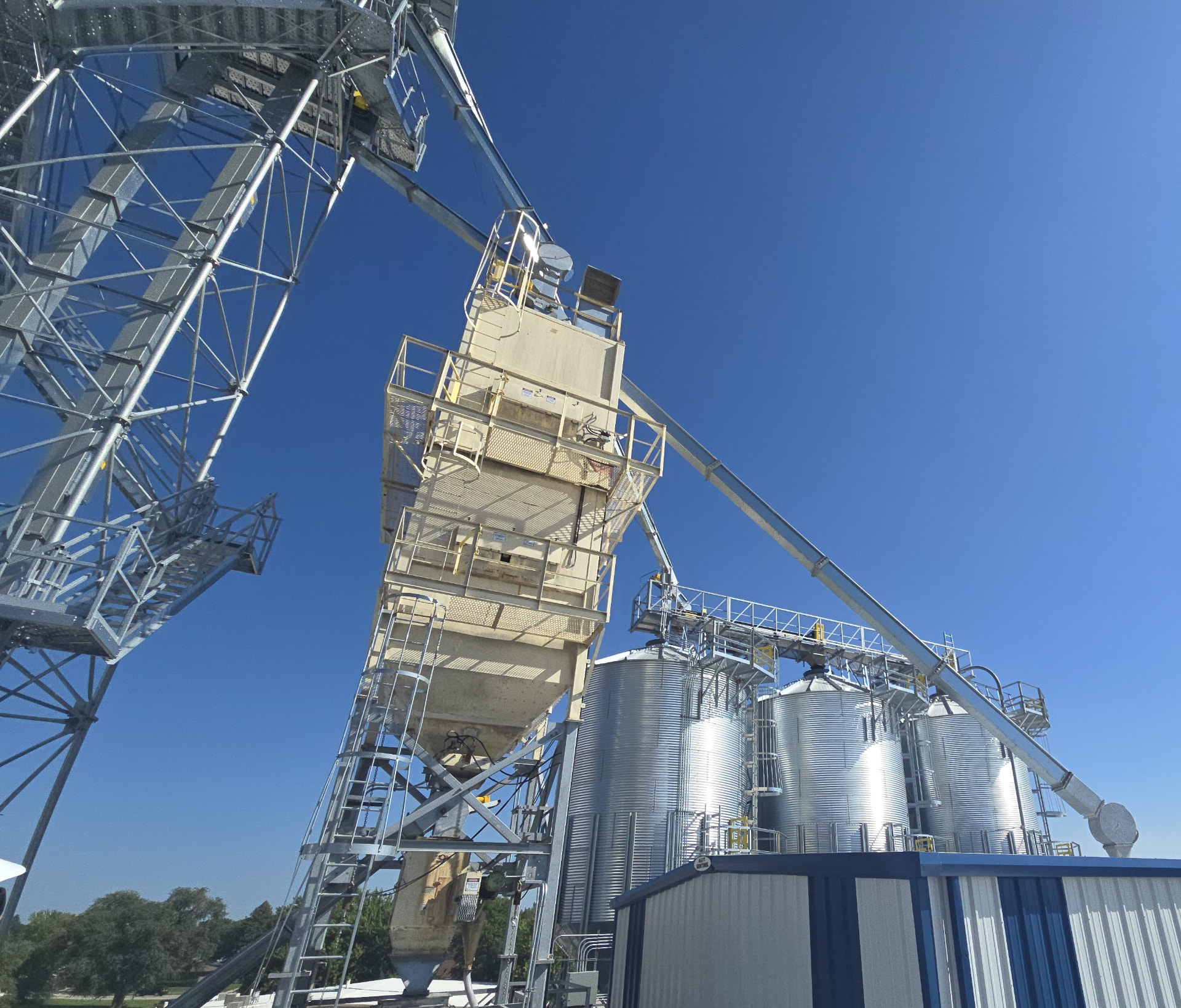
Commercial grain elevator with steel storage silos, bucket elevator towers, and enclosed conveyors beside a harvested grain field

Every Processing Operation Depends on Material Flow

Before grain can be cleaned, milled, separated, sorted, or packaged, it must be received and moved into the facility. After processing, the finished product must be accumulated, weighed, packaged, loaded, stored, or shipped.

The equipment connecting those points may include receiving pits, conveyors, bucket elevators, distributors, spouting, cleaners, dust-control systems, bins, silos, reclaim equipment, scales, bagging systems, truck loadout, rail loadout, and other bulk-material-handling machinery.

A capacity mismatch in one conveyor can restrict several downstream machines. A change in storage can affect distribution and reclaim. A delayed bin drawing can affect structural work. A loadout change can affect weighing, controls, product routing, and the project schedule.

V5 Strategies helps make these relationships visible and coordinate the processors, manufacturers, engineers, contractors, millwrights, logistics providers, installers, and other companies responsible for the complete material path.

The processing line can only perform as well as the systems feeding it and carrying the product away.
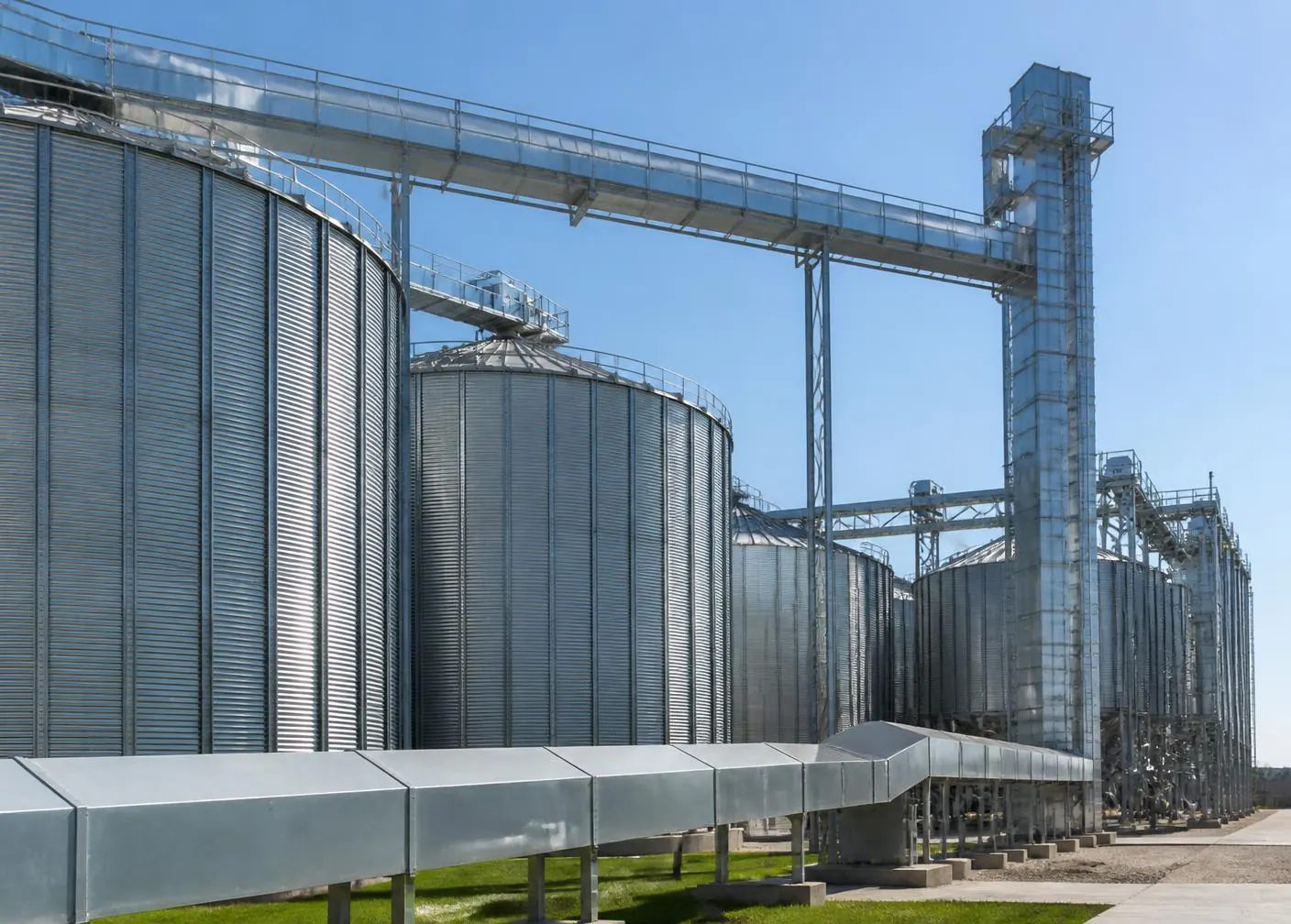
Commercial grain conveyors and bucket elevators connecting storage silos at a grain handling facility

From Grain Receiving to Finished-Product Loadout

The exact equipment sequence depends on the crop, incoming condition, facility, transportation method, storage requirements, processing needs, finished product, required capacity, and qualified technical design.

A commercial grain-handling system may include the following connected stages.

  1. 01

    Truck or Rail Receiving

    Incoming grain may be received from trucks, railcars, bags, containers, or other approved transportation methods.

    Receiving requirements can include vehicle access, unloading rate, sampling, weighing, dust collection, traffic flow, product identification, and movement into storage or processing.

    Equipment may include

    • Truck receiving pits
    • Rail receiving systems
    • Hoppers
    • Grates
    • Drag conveyors
    • Belt conveyors
    • Bucket elevators
    • Magnets
    • Scales
    • Dust-control equipment
  2. 02

    Pre-Cleaning and Protection

    Pre-cleaning may remove large foreign material, light material, dust, and contaminants before grain enters storage, conveying systems, or downstream processing.

    Magnets and other protective devices may also help reduce the risk of unwanted material reaching equipment.

    Equipment may include

    • Scalpers
    • Pre-cleaners
    • Screeners
    • Aspirators
    • Magnets
    • Dust filters
    • Product collectors
    • Conveyors
    • Bucket elevators
  3. 03

    Conveying and Elevation

    Conveyors and bucket elevators move grain horizontally and vertically between receiving, storage, processing, packaging, and loadout.

    The selected equipment must reflect the material, capacity, distance, elevation, transfer points, product protection, maintenance access, facility, and qualified design requirements.

    Equipment may include

    • Drag conveyors
    • Belt conveyors
    • Screw conveyors
    • Enclosed conveyors
    • Bucket elevators
    • Spouting
    • Gates
    • Valves
    • Distributors
    • Supporting structures
  4. 04

    Distribution and Routing

    Distribution equipment directs grain toward the correct storage bin, processing line, packaging area, reclaim path, or loadout destination.

    The system may need to support multiple products, crops, grades, bins, process routes, and operating modes.

    Equipment may include

    • Distributors
    • Diverter gates
    • Slide gates
    • Spouting
    • Surge bins
    • Flow-control equipment
    • Conveyors
    • Bucket elevators
    • Supporting controls
  5. 05

    Storage and Grain-Condition Support

    Grain storage may include bins, silos, flat storage, working bins, surge bins, or finished-product storage.

    Supporting systems may include aeration, temperature monitoring, level indication, reclaim, ventilation, and other equipment according to the crop, storage plan, facility, manufacturer, and qualified engineering requirements.

    V5 does not design aeration, determine safe storage conditions, monitor grain condition, or guarantee storage life.

    Equipment may include

    • Grain bins
    • Storage silos
    • Working bins
    • Surge bins
    • Aeration fans
    • Ducting
    • Temperature-monitoring systems
    • Level-monitoring systems
    • Reclaim equipment
    • Ventilation equipment
  6. 06

    Reclaim and Process Feeding

    Stored grain must be reclaimed and delivered to downstream cleaning, milling, processing, packaging, or loadout equipment at a rate appropriate for the approved system.

    Reclaim design may be affected by bin geometry, material characteristics, flow behavior, equipment capacity, cleanout, maintenance access, and safety requirements.

    Equipment may include

    • Bin unloaders
    • Reclaim conveyors
    • Sweep equipment
    • Gates
    • Feeders
    • Surge bins
    • Scales
    • Bucket elevators
    • Process conveyors
  7. 07

    Weighing, Packaging, and Bulk Handling

    Finished grain or processed product may be weighed, bagged, accumulated, transferred to storage, or prepared for bulk shipment.

    The required system depends on the product, package sizes, customer requirements, shipping method, warehouse, throughput, and qualified design.

    Equipment may include

    • Batch scales
    • Continuous scales
    • Truck scales
    • Rail scales
    • Bagging machines
    • Bulk-bag systems
    • Bag-closing equipment
    • Packaging conveyors
    • Finished-product bins
  8. 08

    Truck, Rail, Container, or Export Loadout

    Finished product may leave the facility through truck loadout, rail loadout, container loading, bag shipment, or another approved transportation method.

    Loadout projects may require coordination across storage, weighing, product routing, dust control, conveying, documentation, site access, transportation scheduling, and responsible logistics companies.

    Equipment may include

    • Truck loadout spouts
    • Rail loadout equipment
    • Container-loading systems
    • Conveyors
    • Bucket elevators
    • Scales
    • Finished-product bins
    • Dust-control systems
    • Supporting controls

This process description is provided for general informational purposes. Final equipment selection, system capacity, structural support, bin design, aeration, grain-condition management, dust-hazard controls, foundations, electrical systems, controls, safety requirements, and regulatory compliance must be developed and approved by the responsible manufacturers, engineers, operators, contractors, safety professionals, and qualified technical specialists.

Commercial Grain Handling, Storage, and Loadout Equipment

V5 Strategies can help processors, elevators, terminals, and project partners evaluate and source equipment from domestic and international manufacturers.

The appropriate equipment depends on the crop, bulk density, flow characteristics, capacity, facility, distance, elevation, storage plan, process requirements, transportation, installation, and long-term service needs.

Grain Receiving and Unloading Equipment

Receiving systems may include truck pits, rail receiving, hoppers, grates, unloaders, conveyors, bucket elevators, magnets, scalpers, scales, sampling equipment, and dust-control systems.

The system must coordinate vehicle movement, unloading, grain flow, storage destinations, processing requirements, and facility access.

Conveyors and Bucket Elevators

Material-handling equipment may include drag conveyors, belt conveyors, screw conveyors, enclosed conveyors, feeders, bucket elevators, spouting, gates, distributors, valves, supports, and related components.

Equipment must be evaluated according to the material, capacity, distance, elevation, transfer points, maintenance access, and qualified technical requirements.

Grain Cleaning and Dust Control

Receiving and storage systems may include scalpers, pre-cleaners, screeners, aspirators, magnets, cyclones, dust filters, fans, ductwork, collectors, and other equipment used to remove unwanted material and control dust.

Dust-hazard analysis, explosion protection, ventilation, and code compliance require qualified safety and engineering professionals.

Grain Bins, Silos, and Storage Systems

Storage equipment may include corrugated bins, smooth-wall bins, silos, flat storage, working bins, surge bins, gates, distributors, reclaim equipment, level systems, temperature monitoring, aeration components, and ventilation equipment.

Qualified manufacturers and engineers remain responsible for storage design, structural requirements, foundations, aeration, safety, and capacity.

Weighing, Bagging, and Packaging Equipment

Finished-product systems may include batch scales, continuous scales, truck scales, rail scales, automatic bagging machines, bulk-bag equipment, bag-closing systems, packaging conveyors, pallet-handling equipment, and finished-product storage.

Bulk Loadout and Terminal Equipment

Loadout systems may include truck-loading spouts, rail loadout, container loading, conveyors, bucket elevators, bins, scales, dust-control equipment, access systems, and supporting controls.

The project must connect equipment design with transportation, site access, product routing, operator requirements, and logistics planning.

Grain Storage Is More Than Empty Capacity

A grain bin is part of a larger operating system. Grain must enter the correct storage location, remain identified, move through approved aeration or monitoring procedures, discharge when required, and return to the correct process or loadout path.

The storage strategy may affect receiving, cleaning, conveying, distribution, process scheduling, packaging, transportation, product identity, maintenance, and facility expansion.

New storage may require coordination among the bin manufacturer, structural engineer, foundation contractor, conveyor supplier, aeration provider, electrical contractor, controls provider, millwright, safety professionals, and facility operator.

V5 provides the project leadership required to keep those companies, documents, responsibilities, schedules, and decisions connected.
Storage does not stand alone. It connects receiving, production, inventory, and shipment.

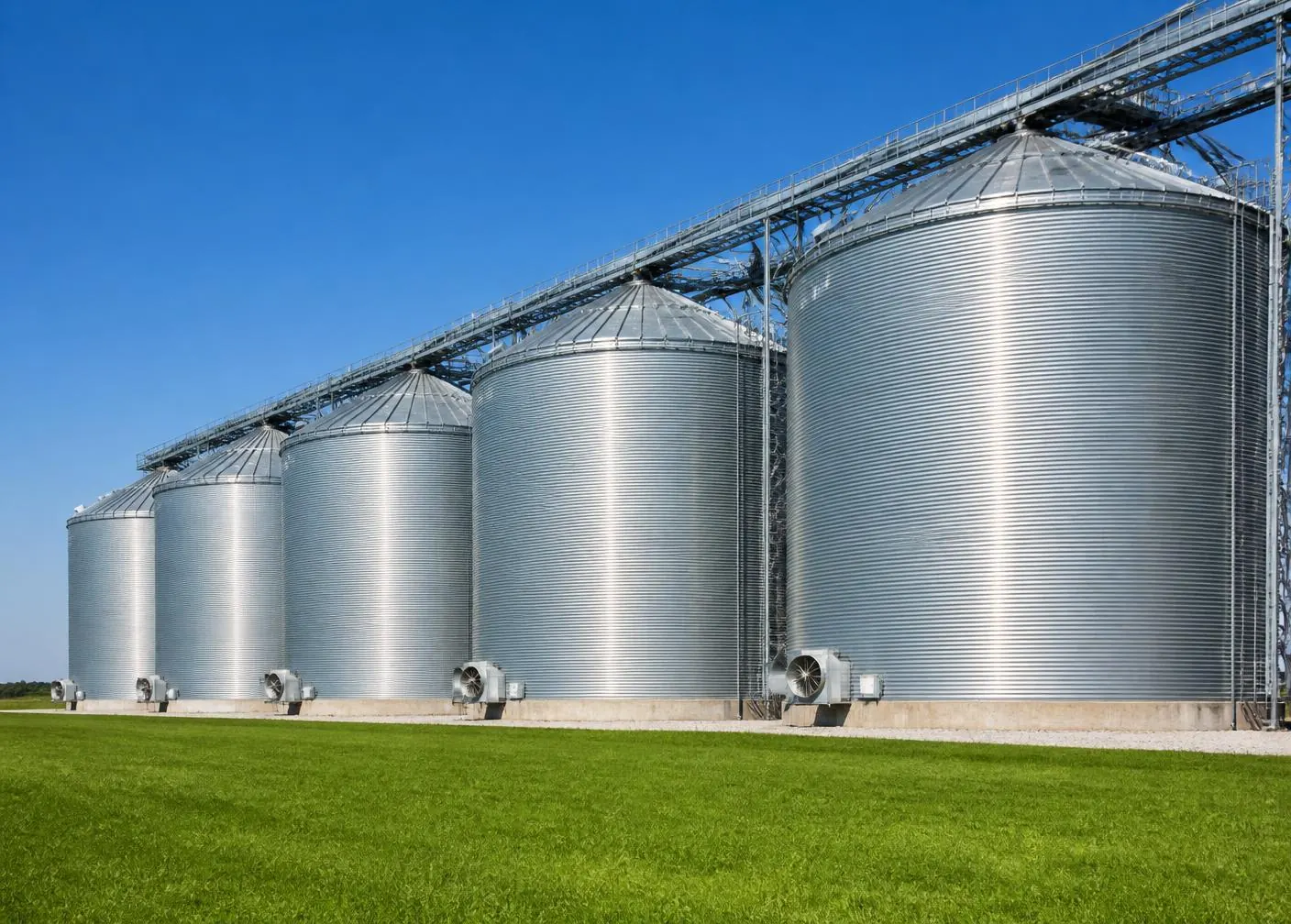
Grain storage silos connected to conveying and reclaim equipment beside a green field

Support for New Facilities, Expansion, Modernization, and Loadout

New Receiving and Storage Systems

A new system may include truck or rail receiving, pre-cleaning, conveyors, bucket elevators, distributors, bins, aeration, reclaim, scales, dust control, electrical systems, controls, and supporting structures from multiple suppliers.

V5 helps coordinate the companies, equipment interfaces, technical information, commercial activity, logistics, installation, and commissioning responsibilities.

Conveying and Elevator Modernization

An existing conveyor or bucket elevator may require replacement because of condition, capacity, maintenance, facility expansion, changed product routes, or downstream requirements.

V5 helps organize the requirement and connect the equipment manufacturer, facility, engineers, contractors, millwrights, electrical providers, and other responsible parties.

Storage Expansion and Reclaim Projects

Additional bins or silos may affect receiving, distribution, aeration, reclaim, structures, foundations, electrical systems, controls, conveying paths, site access, and future expansion.

V5 helps maintain visibility across the separate scopes and project decisions.

Packaging, Bulk Loadout, and Export Projects

A loadout or packaging project may involve finished-product storage, scales, bagging machines, truck loading, rail loading, container handling, dust control, transportation access, warehouse requirements, documentation, and logistics coordination.

V5 supports the project connection between equipment implementation and shipment preparation.

Project Leadership Across Every Handoff

Grain-handling projects may involve the facility, equipment manufacturers, structural engineers, civil engineers, electrical engineers, controls providers, bin suppliers, conveyor manufacturers, aeration specialists, contractors, millwrights, freight providers, installers, commissioning personnel, transportation companies, and safety professionals.

Each company may perform its individual scope correctly while gaps between those scopes create problems for the complete project.

A bin drawing may affect foundations. A conveyor change may affect structures and controls. A delayed electrical requirement may affect installation. A changed shipment date may affect receiving equipment and site access. A loadout revision may affect storage, weighing, dust control, and transportation.

V5 Strategies helps establish responsibilities, maintain communication, coordinate documents, track commercial activity, support equipment logistics, coordinate installation, document decisions, manage open issues, and maintain project momentum.

  1. 01

    Align the Material-Handling Objective

    Clarify the crop, incoming and outgoing transportation, required capacity, equipment scope, storage needs, process destinations, facility conditions, project partners, responsibilities, schedule, commercial expectations, and measures of success.

  2. 02

    Coordinate Equipment and Technical Partners

    Connect the facility, manufacturers, engineers, contractors, millwrights, aeration specialists, controls providers, electrical companies, freight providers, installers, safety professionals, and other responsible parties.

  3. 03

    Support Manufacturing, Shipping, and Installation

    Track approvals, drawings, documents, manufacturing schedules, freight, site readiness, foundations, delivery sequencing, lifting requirements, installation activity, changes, and issues requiring resolution.

  4. 04

    Support Commissioning and Handoff

    Coordinate startup schedules, responsible technical personnel, documentation, training requirements, punch-list items, parts records, warranties, project closeout, and the transition into operation.

The equipment moves the grain. Project leadership moves the companies responsible for it.

Equipment and Project Coordination Across Borders

International grain equipment and export-terminal projects may connect manufacturers, processors, freight companies, customs professionals, local contractors, transportation providers, installers, and project owners across multiple countries and time zones.

The equipment shipment may require export packaging, commercial documents, transportation planning, customs coordination, receiving preparation, lifting equipment, site storage, installation sequencing, replacement-parts planning, and communication with the manufacturer.

V5 can help coordinate information and responsibilities from equipment quotation through manufacturing, shipment, delivery, installation support, commissioning coordination, and project closeout.

V5 does not act as the exporter of record, importer of record, customs broker, freight carrier, commodity exporter, or regulatory authority unless a separate written agreement specifically establishes an authorized role.

International delivery is not one shipment. It is a chain of responsibilities.

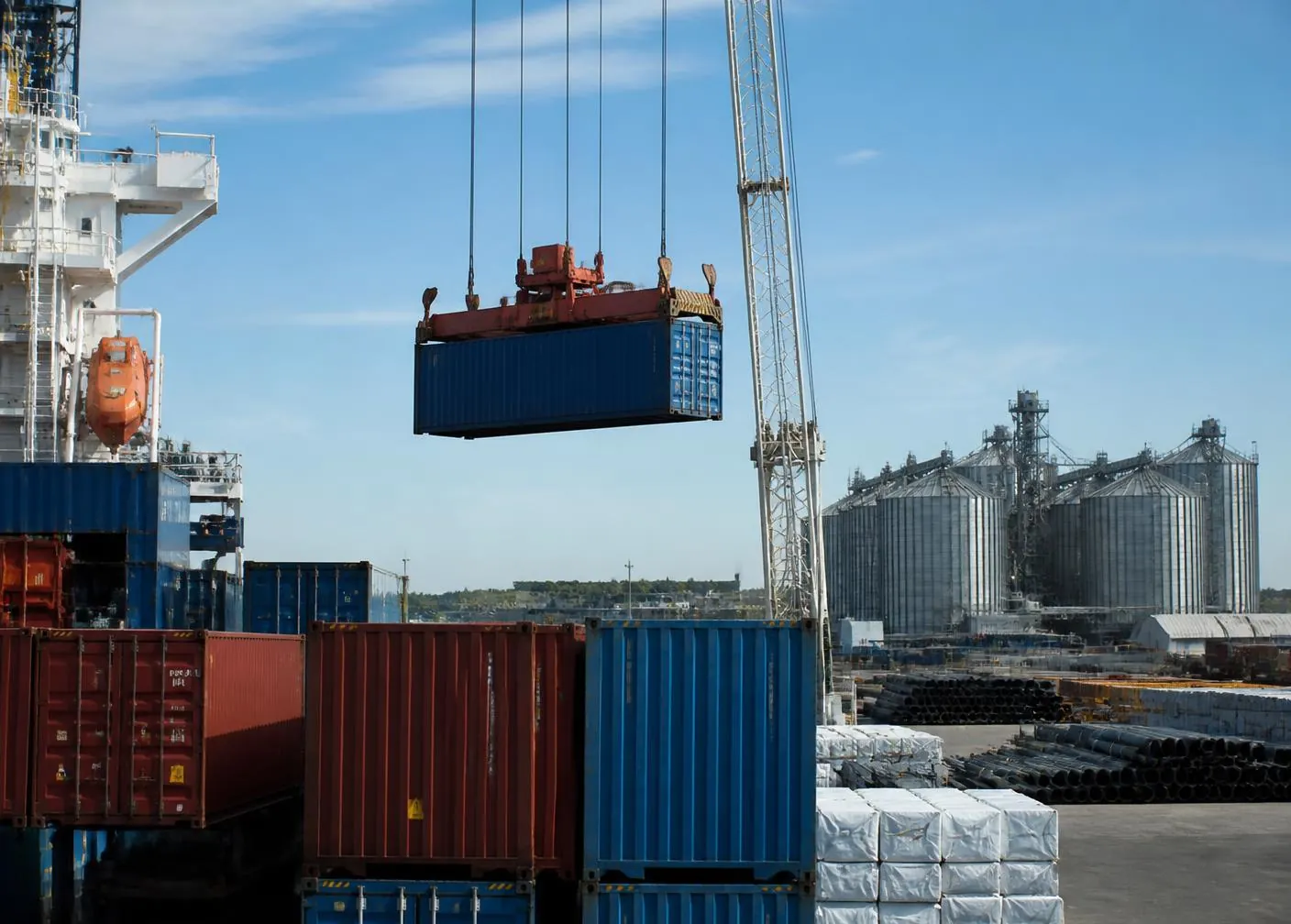
Shipping containers and freight equipment staged at an international terminal for grain equipment transport
V5 Pulse Mill Intelligence logo

Machine-Centered Intelligence for Grain Handling Equipment

A grain-handling facility may contain conveyors, bucket elevators, bins, distributors, gates, cleaners, dust-control systems, scales, packaging equipment, and loadout machinery from several manufacturers.

Each machine may have its own manuals, specifications, schematics, parts information, maintenance requirements, inspection records, operating procedures, and service history.

V5 Pulse organizes authorized information around the specific equipment inside the facility.

V5 Pulse machine profile view showing authorized equipment information, manual references, and parts records

Equipment Documentation and Operating Knowledge

Connect authorized manuals, specifications, schematics, inspection procedures, operating procedures, photographs, training material, and facility information to conveyors, bucket elevators, bins, distributors, cleaners, dust systems, scales, packaging equipment, and loadout machinery.

Maintenance, Parts, and Work Records

Organize recorded maintenance history, work orders, inspection records, service notes, parts information, schematic references, available inventory records, storage locations, and supporting documents around the equipment those records describe.

Source-Linked AI Access

Allow authorized users to ask practical equipment and documentation questions in plain language and receive answers connected to approved manuals, pages, schematics, procedures, maintenance records, parts records, work orders, and machine profiles.

V5 Pulse does not monitor grain condition, control conveyors, operate gates, adjust aeration, read live sensors, communicate with PLC or SCADA systems, or automatically update inventory as a standard capability. Any external data or control-system integration requires separate evaluation, authorization, development, testing, and scope.

A facility becomes easier to support when every asset has an organized intelligence record.

Separately Scoped V5 Pulse Capability

Connecting Lots, Bins, Routes, and Shipments

Grain-handling and storage operations may need to understand how incoming lots, receiving records, bins, equipment routes, processing activity, packaging, loadout, and shipments relate to one another.

When Traceability Intelligence is separately scoped and the required authorized data is available, V5 Pulse can help organize and connect records involving lots, bins, routes, equipment, processing activity, packaging, loadout, and shipments.

The usefulness of the system depends on the accuracy, completeness, and timeliness of the information supplied by the customer and authorized systems.

Traceability Intelligence is not automatic, real-time, regulatory certification, inventory accounting, recall management, custody transfer, or guaranteed compliance.

Trace the available records. Understand the movement. Define the exposure. Act with greater confidence.

V5 supports grain mills and processors, and the manufacturers, millwrights, and design-build firms that serve them.
Explore V5 Partnerships

Frequently Asked Questions About Grain Handling and Storage Equipment

Does V5 Pulse monitor grain condition or connect to bin sensors?

No. Pulse does not read live sensors, monitor grain condition, adjust aeration, operate gates, or connect to PLC or SCADA systems as a standard capability. It organizes the documentation, procedures, and records behind the equipment. Any control-system integration is scoped separately.

Does V5 act as exporter of record, importer of record, or customs broker?

No, unless a separate written agreement establishes that role. V5 coordinates communication, commercial documentation, manufacturer schedules, freight planning, and receiving preparation among the companies responsible for the shipment; it does not act as the carrier, broker, or regulatory party.

What information do you need to evaluate a grain-handling project?

The crop and bulk density, incoming and outgoing transportation, required capacity, receiving method, storage requirements, current equipment and process flow, conveying distances and elevations, facility drawings, available space and utilities, structural information, dust-control requirements, packaging and loadout needs, project location, and schedule.

From Receiving Pit to Final Loadout

Tell Us About Your Grain Handling or Storage Project

Are you adding storage, replacing a conveyor or bucket elevator, improving truck or rail receiving, modernizing a grain elevator, adding packaging, coordinating international equipment, developing a new loadout system, or exploring V5 Pulse Mill Intelligence?

Tell us about the crop, material, required capacity, receiving method, storage needs, existing equipment, facility, transportation, project location, and current stage of the work.

Grain elevator storage silos and conveying equipment at a commercial grain handling operation

Project Leadership

Connect responsibilities, information, schedules, logistics, installation, and startup.

Discuss Your Project