Corn and Specialty-Grain Processing

Corn and Specialty-Grain Processing Equipment, Project Leadership, and Mill Intelligence

V5 Strategies supports whole-kernel edible corn processors, dry corn mills, corn-grit operations, oat processors, quinoa processors, ancient-grain operations, equipment manufacturers, millwrights, contractors, and design-build firms.

The required process depends on what enters the facility and what must leave it. A whole-kernel corn cleaning operation requires a different equipment path than a mill producing corn grits, meal, or flour. Oats, quinoa, and other specialty grains create their own cleaning, separation, handling, grading, finishing, and packaging requirements.

V5 connects equipment sourcing, multi-company project leadership, logistics, installation coordination, commissioning support, documentation, and V5 Pulse Mill Intelligence within one coordinated strategy.

The crop enters the facility. The finished product defines the process between the two.

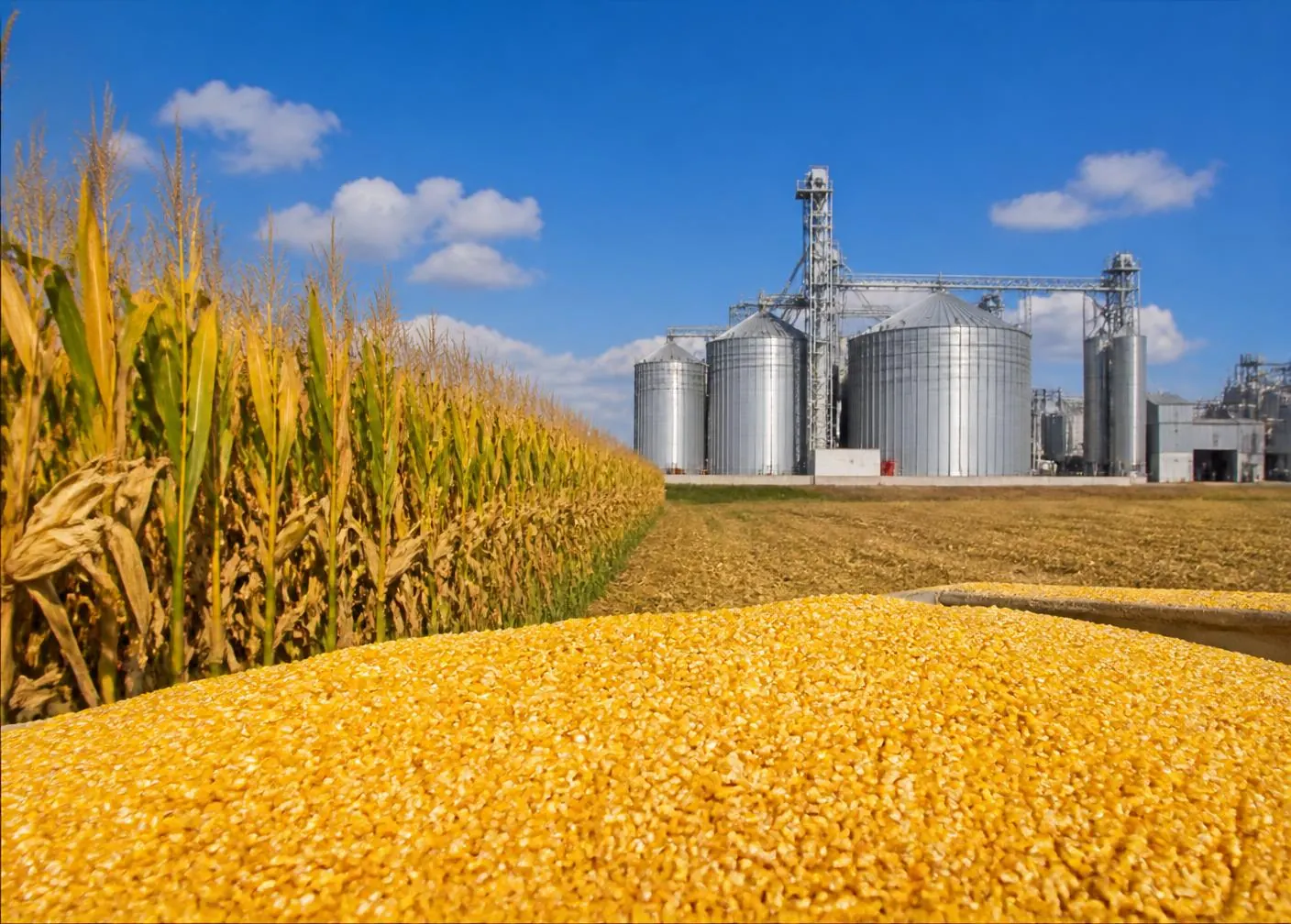
Ripe cornfield and harvested whole-kernel corn in front of a modern grain processing facility with storage silos

The Finished Product Determines the Processing Path

Corn-processing equipment cannot be selected correctly without understanding the finished product. An operation shipping cleaned whole-kernel edible corn may focus on removing foreign material, separating stones and light material, grading kernels, removing defects, and preparing the product for bulk shipment or packaging.

A dry corn mill producing grits, meal, or flour may require additional conditioning, degermination, aspiration, milling, sifting, classification, product collection, and co-product handling.

Specialty grains such as oats, quinoa, and ancient grains may require crop-specific combinations of cleaning, aspiration, density separation, sizing, dehulling, polishing, grading, sorting, storage, and packaging.

Incoming quality, moisture, density, kernel size, crop variety, contamination, desired product, required capacity, facility limitations, market specifications, and packaging requirements all affect the equipment and project strategy.

Do not begin with the machine. Begin with the product the operation must produce.

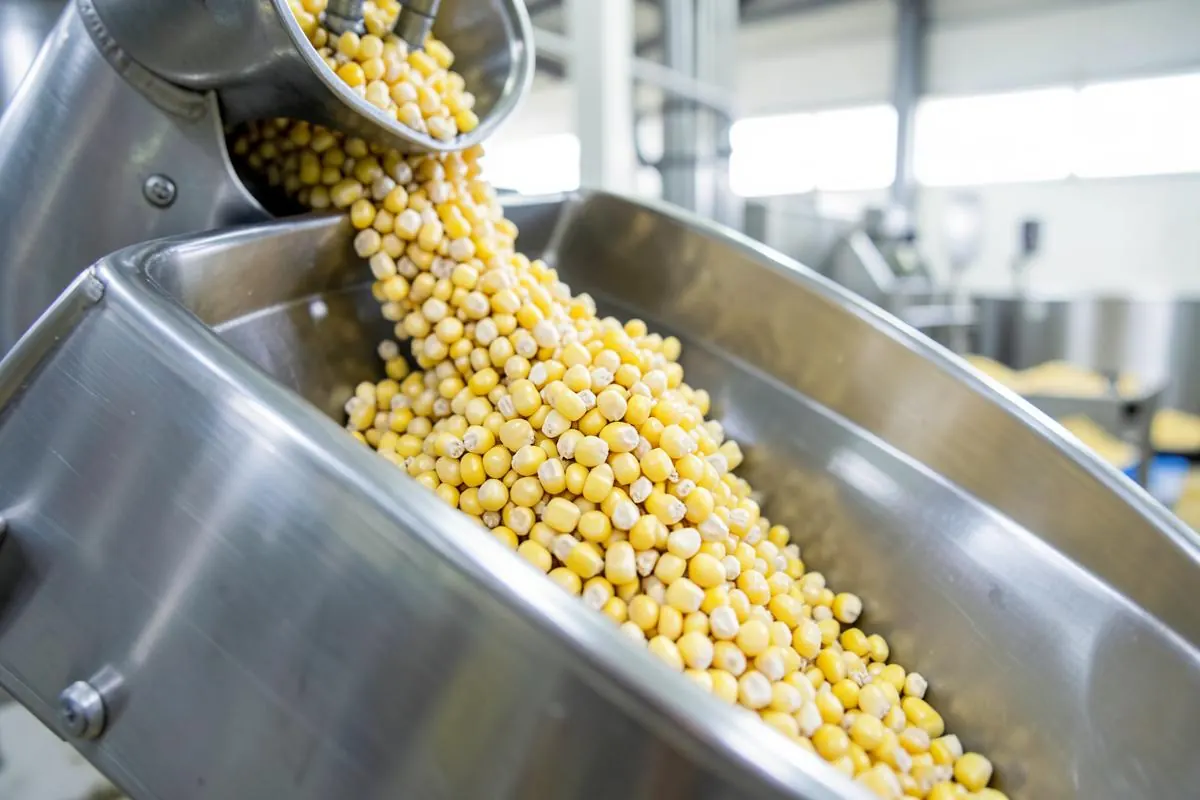
Dry corn kernels moving through commercial stainless steel grain processing equipment

Different Processing Paths for Corn and Specialty Grains

There is no single universal process for every corn and specialty-grain operation. The following pathways illustrate how equipment requirements may change according to the incoming crop and finished product.

Whole-Kernel Edible Corn Cleaning

A whole-kernel corn operation may prepare edible corn for bulk shipment, rail or truck loadout, industrial customers, export, further processing, or packaging. The objective is to remove unwanted material while protecting the marketable kernel.

  1. 1Receiving and Storage
  2. 2Pre-Cleaning and Magnets
  3. 3Cleaning and Aspiration
  4. 4Destoning and Density Separation
  5. 5Sizing and Grading
  6. 6Optical Color Sorting
  7. 7Finished-Product Storage
  8. 8Weighing, Packaging, or Bulk Loadout

Equipment may include receiving systems, conveyors, bucket elevators, magnets, scalpers, grain cleaners, screeners, aspirators, dust filters, destoners, gravity separators, sifters, graders, optical color sorters, storage bins, batch scales, bulk-bag systems, bagging machines, and truck or rail loadout equipment.

Dry Corn Milling and Corn-Grit Production

Dry corn milling may produce large grits, small grits, meal, flour, germ, bran, or other defined products. The process may require controlled preparation and multiple separation stages before finished products are collected and packaged.

  1. 1Receiving and Cleaning
  2. 2Destoning and Separation
  3. 3Conditioning When Required
  4. 4Degermination
  5. 5Aspiration and Classification
  6. 6Milling or Size Reduction
  7. 7Sifting and Product Grading
  8. 8Finished-Product Collection
  9. 9Packaging and Co-Product Handling

Equipment may include grain cleaners, destoners, conditioners, corn degerminators, aspirators, roller mills, impact equipment, sifters, plansifters when appropriate, graders, conveyors, bucket elevators, pneumatic systems, bins, scales, packaging systems, and co-product-handling equipment.

The responsible equipment manufacturers and qualified technical specialists must determine the final process, machine settings, capacities, product routing, and operating requirements.

Oats, Quinoa, and Ancient Grains

Specialty grains vary significantly in size, shape, density, hull characteristics, fragility, foreign-material profile, and finished-product requirements. The equipment path must be developed around the specific crop.

  1. 1Receiving and Sampling
  2. 2Pre-Cleaning
  3. 3Cleaning and Aspiration
  4. 4Density Separation
  5. 5Size Grading
  6. 6Dehulling or Finishing When Required
  7. 7Optical Sorting
  8. 8Finished-Product Storage
  9. 9Weighing and Packaging

Equipment may include cleaners, screeners, aspirators, destoners, gravity separators, hullers, polishers, sifters, length or thickness graders, optical color sorters, conveyors, bucket elevators, storage bins, scales, bagging machines, and packaging systems.

Not every machine or stage applies to every specialty grain.
These process pathways are provided for general informational purposes. Final equipment selection, process configuration, machine capacity, operating parameters, product specifications, and performance requirements must be developed with the responsible equipment manufacturers, engineers, processors, and qualified technical professionals.

Commercial Corn and Specialty-Grain Processing Equipment

V5 Strategies can help processors and project partners evaluate and source grain-processing equipment from domestic and international manufacturers.

The appropriate equipment package depends on the crop, incoming condition, desired finished product, process sequence, required capacity, facility, existing machinery, installation requirements, and long-term support needs.

Receiving, Conveying, and Storage

Material-handling systems may include receiving pits, drag conveyors, belt conveyors, screw conveyors, bucket elevators, magnets, grain bins, silos, surge bins, distributors, gates, scales, and dust-control equipment.

The system must support receiving capacity, storage requirements, product identity, facility layout, and downstream production needs.

Cleaning and Aspiration Equipment

Cleaning systems may include scalpers, pre-cleaners, grain cleaners, screeners, sifters, aspirators, air separators, dust filters, magnets, conveyors, and elevators used to remove foreign material and prepare corn or specialty grains for downstream processing.

Destoning and Density Separation

Destoners and gravity separators can help separate material according to density and remove stones, heavy contaminants, light material, or off-grade product according to the crop, equipment, and desired result.

Equipment performance depends on proper feed, preparation, airflow, settings, product characteristics, and qualified operation.

Conditioning, Degermination, and Milling

Dry corn-milling systems may include conditioners, dampening equipment, corn degerminators, aspirators, roller mills, impact equipment, sifters, product classifiers, bins, conveying systems, and supporting controls.

The exact process and equipment configuration must be developed by the responsible manufacturers and qualified milling specialists.

Grading, Sorting, and Finishing

Finished-product preparation may include rotary sifters, size graders, length graders, thickness graders, hullers, polishers, optical color sorters, inspection equipment, product bins, and supporting conveying systems.

The machinery must reflect the crop and the finished-product specification.

Weighing, Packaging, and Bulk Loadout

Finished-product systems may include batch scales, automatic bagging machines, bulk-bag filling, packaging conveyors, bag-closing equipment, storage bins, truck loadout, rail loadout, and co-product-handling equipment.

Support for Cleaning Lines, Corn Mills, Modernization, and Equipment Replacement

A corn or specialty-grain project may involve a complete new line, one equipment replacement, a cleaning-system upgrade, a capacity expansion, a new finished product, improved packaging, or stronger coordination across an active project.

Whole-Kernel Cleaning and Packaging Lines

A commercial cleaning line requires coordination across receiving, cleaning, aspiration, separation, grading, sorting, conveying, storage, weighing, packaging, bulk handling, dust control, and finished-product requirements.

V5 helps connect the manufacturers, equipment interfaces, project information, logistics, contractors, installation activity, and commissioning responsibilities.

Dry Corn Milling and Grit Systems

Corn-milling projects may involve cleaning, conditioning, degermination, aspiration, milling, sifting, classification, product storage, packaging, and co-product handling from several equipment manufacturers.

V5 provides the project structure needed to connect those individual scopes.

Specialty-Grain Processing Projects

Oats, quinoa, and ancient grains may require specialized cleaning, separation, sizing, dehulling, finishing, sorting, handling, and packaging.

V5 helps define the project requirements, communicate the application to manufacturers, coordinate qualified specialists, and maintain visibility across the companies involved.

Modernization and Bottleneck Correction

A cleaner, destoner, gravity separator, degerminator, mill, sifter, grader, sorter, conveyor, elevator, scale, or packaging system can limit the performance of the complete operation.

V5 helps organize the requirement, evaluate equipment options, coordinate the responsible companies, and connect the replacement to the surrounding facility.

Project Leadership Across Every Equipment Boundary

Corn and specialty-grain projects may involve processors, equipment manufacturers, engineers, contractors, millwrights, freight providers, controls specialists, electricians, installers, commissioning personnel, packaging suppliers, and other project partners.

Problems often appear where one company’s scope connects to another. Equipment may arrive before the site is ready. Conveying interfaces may remain unresolved. Electrical information may be delayed. Responsibilities may overlap. A change in one machine may affect several downstream suppliers.

V5 Strategies helps establish responsibilities, maintain communication, coordinate technical information, track commercial activity, organize documentation, support logistics, coordinate installation activity, document decisions, resolve open issues, and maintain project momentum.

  1. 01

    Define the Product and Project Objective

    Clarify the incoming crop, desired finished product, capacity, quality requirements, equipment scope, facility conditions, project partners, responsibilities, schedule, commercial expectations, and measures of success.

  2. 02

    Coordinate Manufacturers and Specialists

    Connect the processor, equipment manufacturers, engineers, milling specialists, contractors, millwrights, logistics providers, controls companies, installers, and other responsible parties.

  3. 03

    Support Delivery and Installation

    Track manufacturing information, approvals, documentation, freight, site readiness, delivery sequencing, equipment interfaces, installation activity, changes, and issues requiring resolution.

  4. 04

    Support Commissioning and Handoff

    Coordinate startup schedules, responsible technical personnel, documentation, training requirements, punch-list items, warranty information, parts records, project closeout, and the transition into operation.

Great equipment is only half the project. Execution is the other half.

V5 Pulse Mill Intelligence logo

Machine-Centered Intelligence for Corn and Specialty-Grain Operations

A processing operation may contain equipment from multiple manufacturers, each with its own manuals, specifications, schematics, parts information, maintenance requirements, operating procedures, and service history.

V5 Pulse organizes authorized information around the specific machines inside the facility. Operators, maintenance technicians, parts personnel, plant managers, training teams, manufacturers, dealers, and authorized service partners can search, ask questions, review records, and move directly to the source material supporting the information.

V5 Pulse machine profile view showing authorized equipment information, manual references, and parts records

Equipment and Process Knowledge

Connect authorized manuals, specifications, schematics, operating procedures, photographs, training information, and facility knowledge to cleaners, destoners, gravity separators, degerminators, roller mills, sifters, graders, sorters, conveyors, elevators, bins, scales, and packaging equipment.

Maintenance, Parts, and Inventory Records

Organize recorded maintenance history, work orders, service notes, part numbers, schematic references, inventory information, storage locations, and supporting documentation around the equipment those records describe.

Source-Linked AI Access

Allow authorized users to ask practical equipment and documentation questions in plain language and receive answers connected to approved manuals, pages, schematics, procedures, maintenance records, parts records, work orders, and machine profiles.

V5 Pulse does not independently control equipment, diagnose failures, optimize machine settings, calculate yield, or replace qualified operating and maintenance personnel.

Operational knowledge becomes more valuable when it stays connected to the machine.

V5 supports grain mills and processors, and the manufacturers, millwrights, and design-build firms that serve them.

Explore V5 Partnerships

Experience Earned by Managing the Work

V5 Strategies is led by Chad Joyce, whose project-management experience includes corn-milling and corn-grit operations in the United States, oat-hulling activity in Montana, and quinoa-processing work in California.

Chad has actively managed communication among customers, equipment manufacturers, contractors, logistics providers, installers, and other project stakeholders. His responsibilities have included project scheduling, equipment coordination, documentation, problem solving, freight and logistics, invoicing and billing, installation support, customer communication, and maintaining project momentum.

That experience was earned through direct responsibility for the communication, commercial requirements, logistics, problems, people, and decisions required to keep complex equipment projects moving.

V5 brings that leadership perspective to corn processors, specialty-grain operations, equipment manufacturers, and construction partners that need stronger coordination across equipment, information, and execution.

The experience is not theoretical. It was earned by actively managing the work.

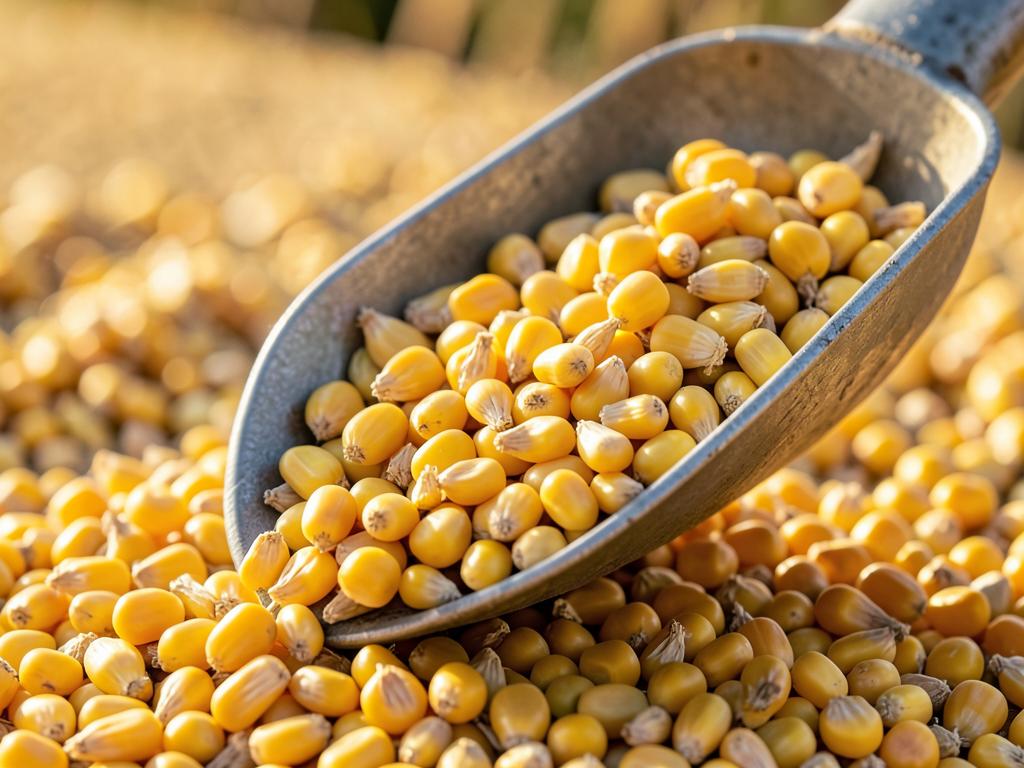
Quinoa and specialty grains moving through commercial stainless steel grain cleaning equipment

Frequently Asked Questions About Corn and Specialty-Grain Processing

What is the difference between a whole-kernel corn cleaning line and dry corn milling?

A cleaning line receives, cleans, destones, sorts, and packages whole kernels. Dry milling adds conditioning, degermination, roller milling, sifting, classification, and co-product handling to produce grits, meal, or flour. The finished product decides which path, and which equipment, the facility needs.

Can V5 support oats, quinoa, and ancient grains?

Yes. V5 leadership has oat-hulling and quinoa-processing project experience, and V5 supports equipment and project needs across specialty crops that require their own cleaning, dehulling, separation, and packaging approach.

What information do you need to evaluate a corn or specialty-grain project?

The crop variety, incoming condition and moisture, foreign-material profile, desired finished product, required capacity, current process flow, available space and utilities, existing equipment, packaging or bulk-shipping needs, project location, and schedule.

From Incoming Grain to Market-Ready Product

Tell Us About Your Corn or Specialty-Grain Project

Are you building a whole-kernel cleaning line, planning a dry corn mill, expanding an existing facility, replacing equipment, correcting a bottleneck, processing a specialty grain, coordinating multiple manufacturers, or exploring V5 Pulse Mill Intelligence?

Tell us about the crop, incoming material, desired finished product, required capacity, facility, equipment need, packaging requirements, project location, and current stage of the work.

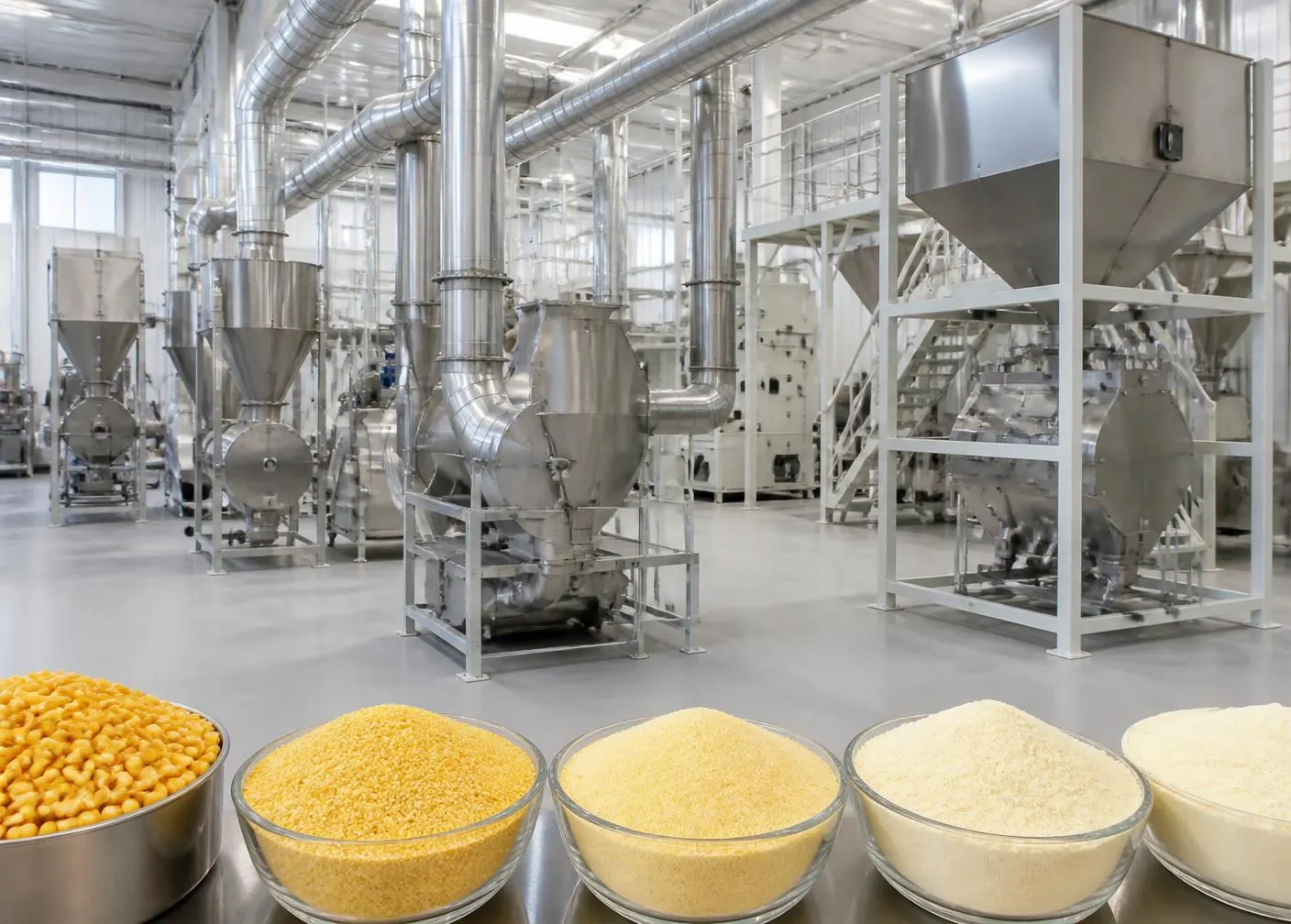
Dry corn milling equipment and corn grits, meal, and flour samples inside a commercial corn processing facility

Project Leadership

Connect responsibilities, information, schedules, logistics, installation, and startup.

Discuss Your Project